
We can’t thank you enough for being here! Search our blog for a particular topic or scroll down to read up on the latest.
The Past of Parker
On this side of town, the Parker name is familiar, but not everyone knows where it comes from. After all, there’s no Parker Mill and no Parker neighborhood. Yet there is a Parker Fire District. Why is that?
And the Future of the Fire Department
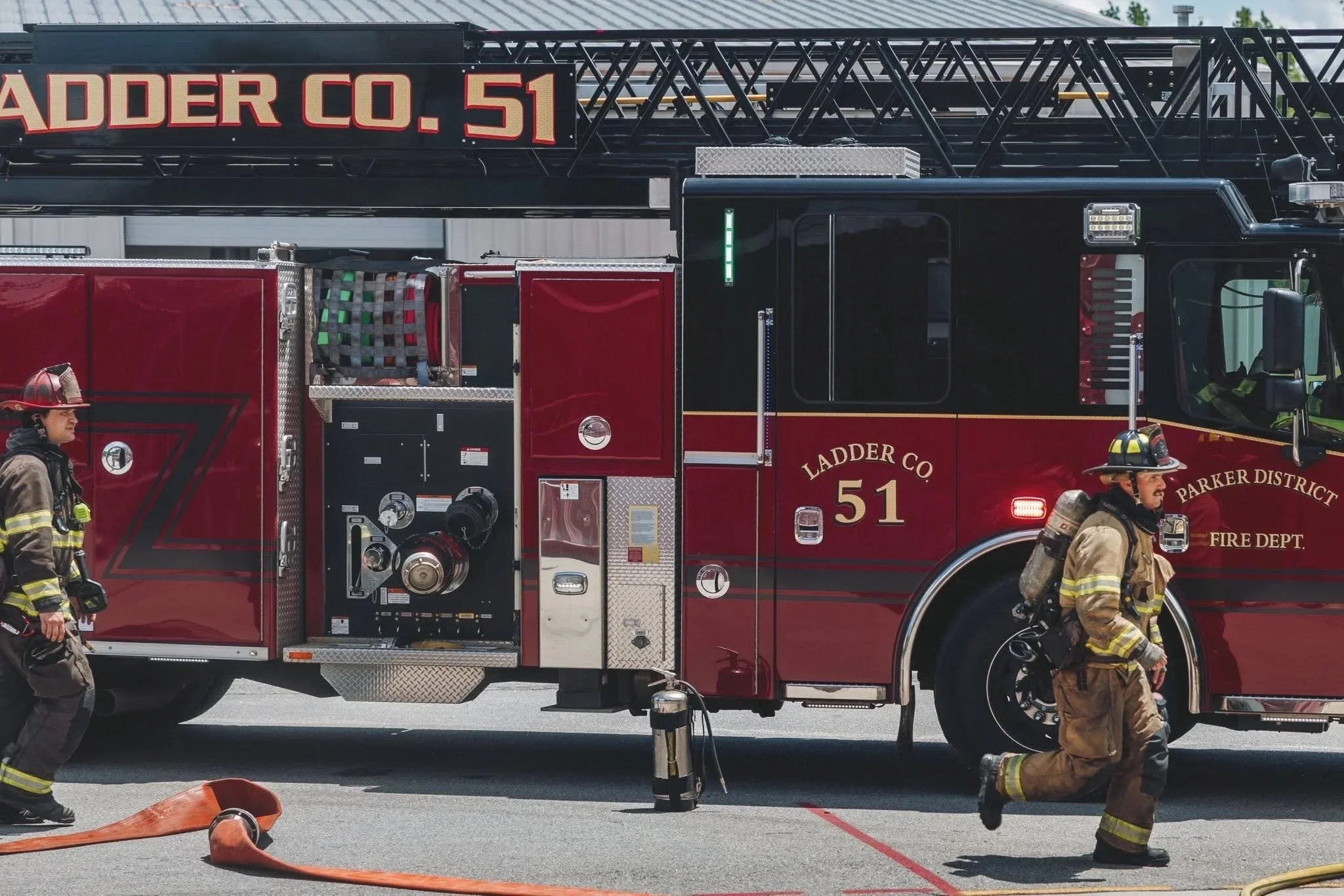
If you’ve driven much on Greenville’s west side, you’ve likely pulled over as a Parker fire truck has rushed past. On this side of town, the Parker name is familiar, but not everyone knows where it comes from. After all, there’s no Parker Mill and no Parker neighborhood. Yet there is a Parker Fire District. Why is that?
The name dates back to the early 1900s, when Greenville’s west side was booming.
Textile mills were expanding, and thousands of workers were moving into the area. With that rapid growth came an urgent need for public infrastructure, especially education.
Mill owners collaborated and petitioned the state legislature to establish a special district that could support a public school for what we now call the “mill crescent.” When the proposal was approved, the high school was named after Thomas F. Parker, a highly respected local educator. After the high school was established, it was time to add other public amenities to the list, like water, sewage, and, in 1943, a fire department.
The fire department began with only one truck stationed in a warehouse across from the school. Though Parker High School has closed, the district created in those early days still bears its name—and the fire department, created more than 80 years ago, is not only still running, it’s thriving.
Today, the Parker Fire Department is a fully staffed department operating out of four stations, serving 22.77 square miles across the west side of Greenville.
What makes the Parker Fire Department especially unique is its deeply local nature.
Parker’s funding still comes directly from the residents within the district rather than the city or county at large—a structure that dates back to its formation. This hyper-local model fosters both impressive response times and a high level of community engagement.
Parker firefighters are not just first responders; they are active participants in the life of the community. They regularly provide fire safety education to schools, businesses, and churches—including us here at Griggs.
At one of our block parties, the Parker Fire Department brought a truck for families to explore, giving kids a hands-on opportunity to learn about fire safety and emergency response. And even this summer, during Camp Griggs, the firefighters from Parker came by—but this time we mostly just asked them to spray down the kids, which made for quite a memorable activity. These moments of connection reflect the department’s deep investment in the people they serve.
That consistent, relational presence has had a measurable impact. In recent years, the Parker Fire District has experienced unusually low call volumes—which is actually a good thing in this line of work. It’s a positive sign that prevention and education efforts are working.
Yet despite its strong track record, the future of the Parker Fire District is uncertain.
As the city of Greenville considers annexing areas such as Cherrydale and Poinsett Highway, questions have arisen about what those changes might mean for Parker. Supporters of annexation point to the fact that those areas would receive city resources, while many west side residents worry about losing the strong, community-driven department that’s been working so well for almost a century. Grassroots efforts like ProtectParker.org have emerged, advocating for the preservation of the district’s structure and identity.
At the heart of these concerns is a tug-of-war west siders have been feeling for a long time. On the one hand, they feel they’ve been left behind because they’re outside the city line. On the other, they don’t want to lose the good things they’ve built by being swallowed up into the city.
Parker Fire Chief Greg Farley has emphasized the importance of informed decision-making as these discussions continue. Speaking to a local news outlet, he said, “Our concern is that everyone has the information that's correct, that's accurate and thorough and not just one-sided.” That comment came in response to city officials highlighting the benefits of annexing part of the west side without discussing the downsides.
There will be pros and cons no matter what happens.
That’s why it’s important for the west side to remember that, whatever changes may or may not come, the one thing that won’t change is the tightly-knit neighborhoods the Parker Fire Department has already helped build.
The name on the side of the fire truck may change, but the most important things—the servant-heartedness, resilience, and hardworking nature of Greenville’s west side—will remain.
And that is worth being thankful for the next time you have to pull over as a truck marked “Parker” speeds past.
Preserving Greenville History
If you have artifacts and/or photos that were a unique part of Greenville’s past, I’d love to see them if you want to send me a photo at greenvillehistorytours@gmail.com or meet up to share your story.
One Artifact at a Time
by John Nolan
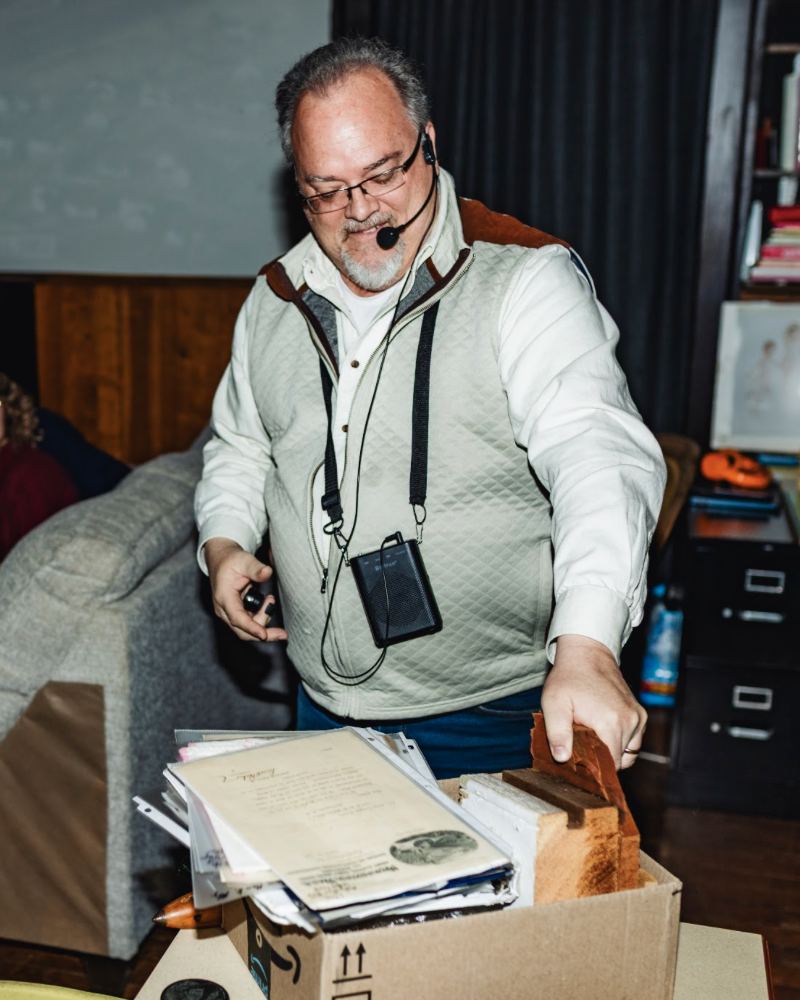
Photo by IsaacCropsey.com
Twenty years ago, I started Greenville’s first tour company, Greenville History Tours, with two downtown walking tours.
From the beginning I was fascinated with old photos of our city and comparing those sites to the same location now. Since then, I’ve collected over 50,000 old photos of Greenville and have also taken about 80,000 in an effort to document our city as it changes now.
About five years ago I added a new dimension to supplement giving tours and lectures by collecting artifacts to put people in touch with cool things from the city’s past.
Out of the hundreds of objects I’ve since collected spanning from 1812 until now, I’d like to share just a few of my favorite textile-related finds, their significance, and how I acquired them.
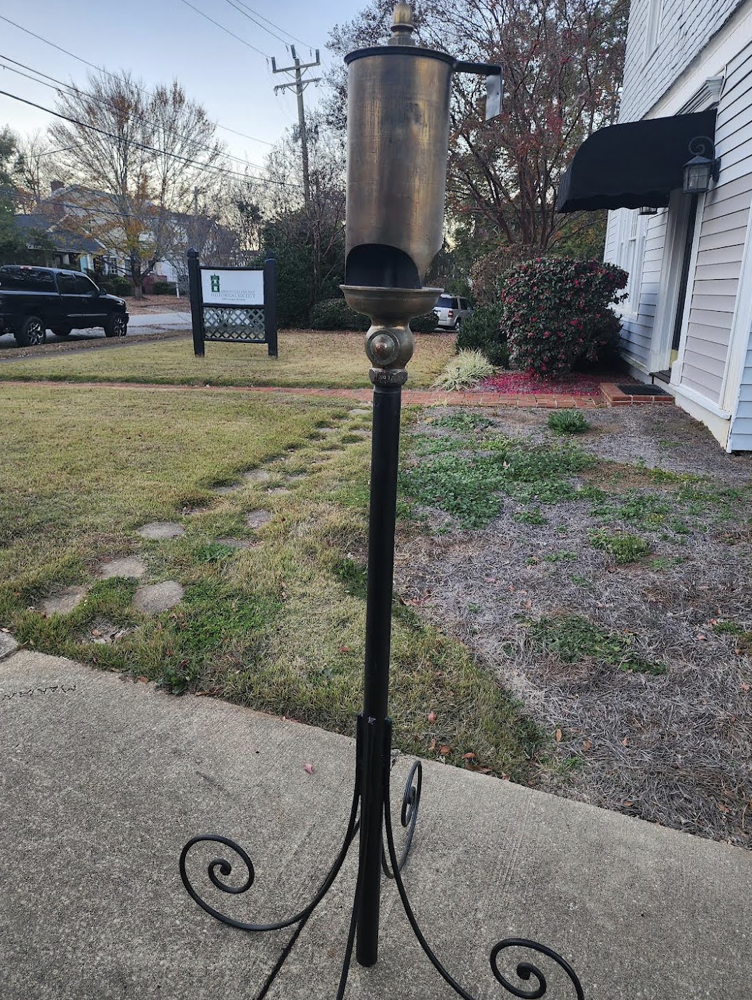
The earliest object dates from the 1890s. On a trip to Pickens last fall, I went to an antique store I hadn’t visited before. There were items that looked promising, so I asked if they had any Greenville or mill related antiques.
The owner took me around the corner to show me what she thought would interest me. I just about couldn’t contain myself when I saw an old train whistle mounted on an iron stand and reaching about 7 ft. tall.
She proceeded to tell me that it was the original village whistle from Mills Mill in west Greenville and the story of how she acquired it. The only other one I’ve seen before was the Camperdown mill whistle, which is on display in the mill memorabilia room at St Paul’s downtown. This was the exact same kind.
I contacted my railroad expert friend about it and sent him a photo. He immediately recognized it as a Crosby 3 steam whistle, said they were rare, and that often railroad companies donated them to textile mills in the late 1800s for them to use as an announcement sound throughout the day for workers to know when shifts and meal times began and ended.
I was astounded to run across this amazing artifact and purchased it. People can see it on display in the lobby of the Greenville County Historical Society.
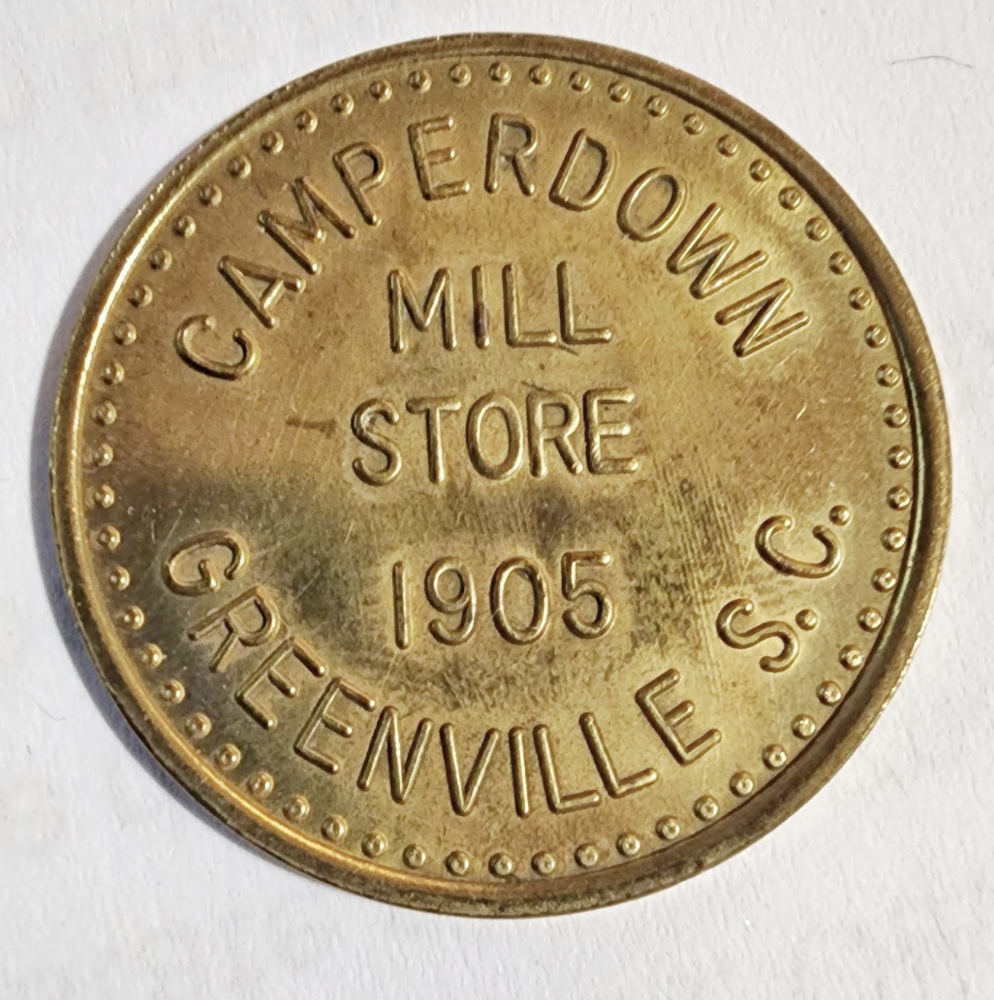
Another highly regarded object I acquired is a Camperdown mill token, often referred to as “scrip” or “loonies.”
Objects relating to the Camperdown mill are extremely rare since it was the earliest mill complex on the Reedy River downtown and also because it closed so long ago in 1956.
I’ve tried to collect as many examples as possible of various Greenville mill scrip since each company minted and printed their own currencies for exclusive use in their villages.
Scrip allowed a worker to borrow against their next paycheck (essentially an I.O.U), so they were of no use in any other stores besides their village company store. For Camperdown, it is not even known exactly where the company store was located in the village. The only Camerpdown token I’d ever seen was also in the Camperdown memorabilia room in St. Paul’s church.
After purchasing a number of tokens off of E-Bay, I noticed one seller seemed to have the biggest variety. I contacted him directly to inquire about other tokens he might have for sale and, after hearing of my passion for preserving Greenville history, told me about a one-of-a-kind mint condition Camperdown mill coin from 1905 that he could sell me. Needless to say, I bought it and am absolutely thrilled to have it. I’ve since acquired 2 others, but they’re not in nearly as good condition as that first one.
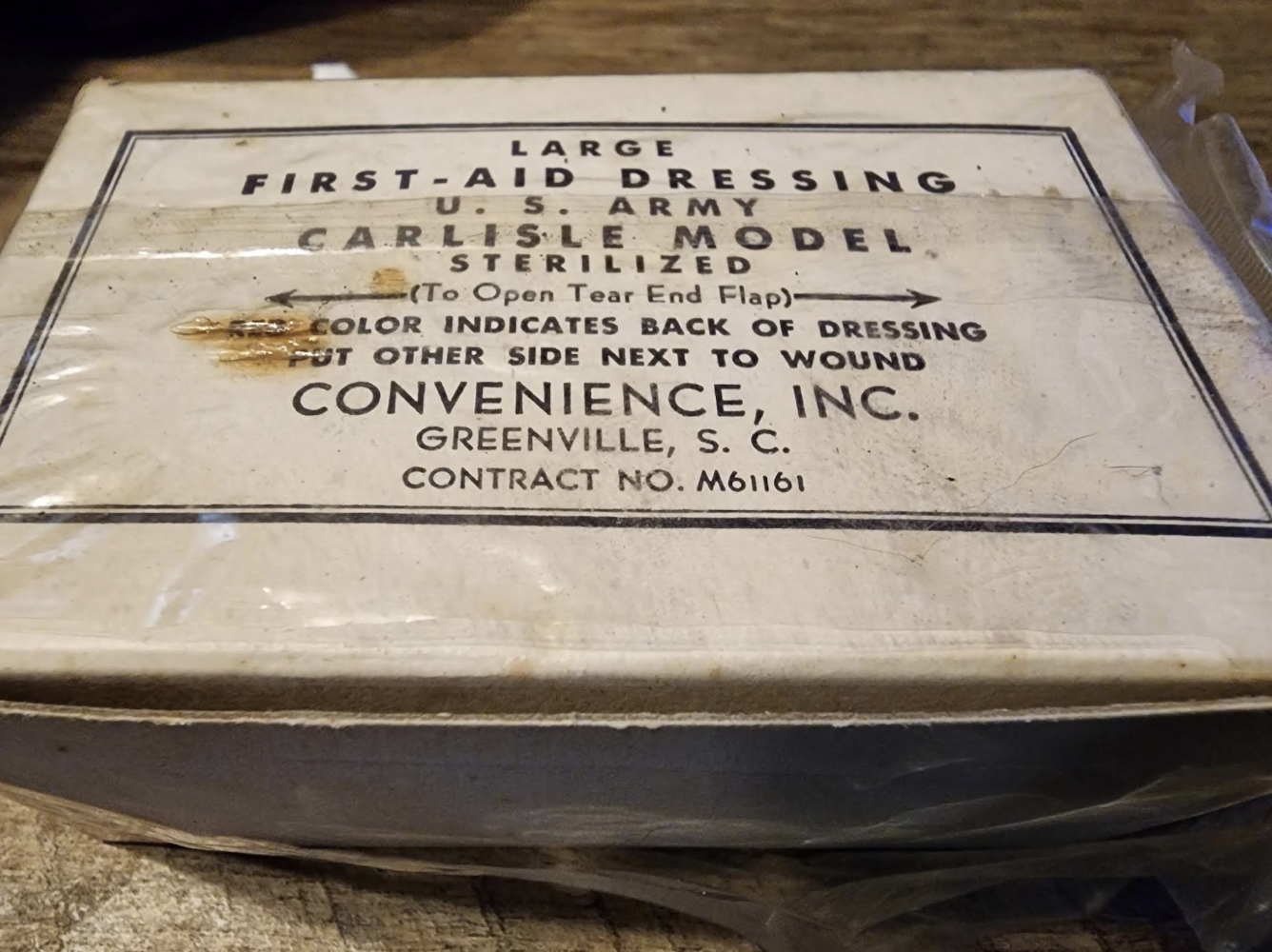
Finally, I was searching online for Greenville objects and came across a very generic box holding medical gauze made by a company called Convenience, Inc. in Greenville, S.C.
I had never heard of that company before, but bought it knowing it might be a cool find. Well, after doing some research, I saw it clearly was.
After World War II began in 1939 and major European countries became involved, America was drawn in. By 1941, West Side textile mills like Mills Mill and Brandon Mill helped supply a myriad of textile products for our troops and allies, medical supplies being one of them.
In February 1941, local Greenvillians George Norwood, W.D. Young and R.C. McCall saw the need and chartered a factory to produce surgical bandages, pads, absorbent cotton and similar products at a capitalization of $130,000. They named it Convenience Inc. This unused WWII first aid gauze was one of many they sent around the world to bandage up wounded soldiers.
If you have artifacts and/or photos that were a unique part of Greenville’s past, I’d love to see them if you want to send me a photo at greenvillehistorytours@gmail.com or meet up to share your story.
Dunean Barbershop Doesn’t Want to be Discovered
Ever since we first passed Dunean Barber Shop, we’ve wanted to know more. Curiosity pulled us in and we were not disappointed.
All photos by IsaacCropsey.com
Quietly clipping, conversating, and continuing
An article from Saltbox Quarterly
Ever since we first passed Dunean Barber Shop, we’ve wanted to know more. When you drive through the West Side as much as we do, wandering through the mill villages, past a lot of storefronts that are dark and empty, you really notice when you see one still full and humming with life. Curiosity pulled us in and we were not disappointed.
Dunean Barber Shop sits across the street from Dunean Mill on the Southwest side of Greenville - the last functioning mill in the whole textile crescent by the way. The barber shop opened in 1939, and business boomed through World War II as mill workers and neighborhood families flowed through its doors.
In 1962, a gentleman named Doyle Fulbright bought the place and eventually passed it down to his sons, Tommy and Wilburn, who still cut hair there today in their 70s and 80s. Under the management of the Fullbright family, the shop made it through the downturn of the West Side’s mill-driven economy and the ever-changing landscape of Greenville.
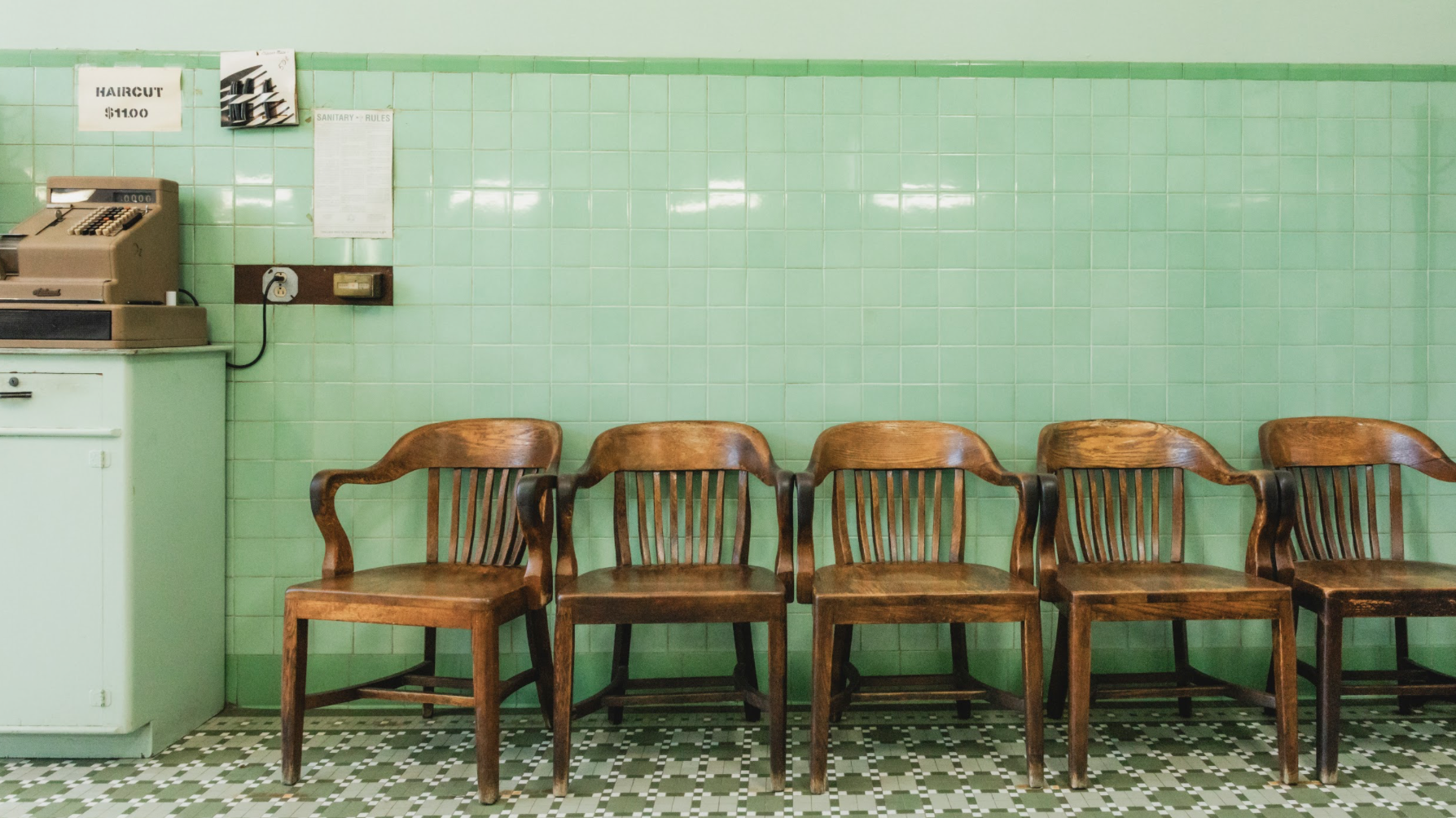
Perhaps their success is due to the fact that not much, if anything, about their operation has changed since the place opened almost a century ago. Vintage green tile covers the floor and climbs the walls. The ceilings are high. There’s a shoeshine chair off to the side, and the cabinets full of hair products and aftershave look like they came straight out of an old pharmacy.
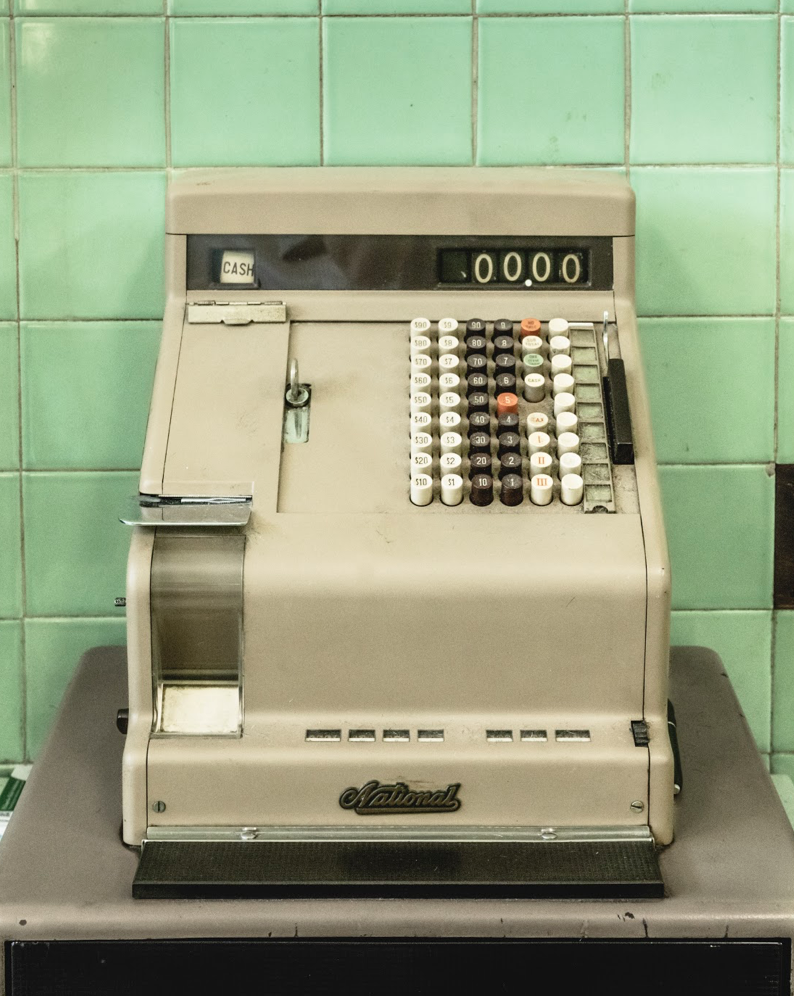
The business is cash only and, as far as we can tell, walk‑ins only. There’s no front desk, no iPads, no QR codes—just chairs, clippers, mirrors, and conversation - lot’s of conversation.
In fact, when you walk in, it feels like you’ve stumbled onto a hidden portal to a simpler time. Everyone sitting there (waiting on one of the two chairs to open) is as comfortable as they’d be sitting in their own living room. They’re talking to each other like they all come in every day. The familiarity everyone has with each other there takes your curiosity to the next level. We certainly had questions like, “How long have you all known each other?”
However, part of what makes Dunean Barber Shop so curious is that it doesn’t want to be discovered. When we went in to strike up a conversation for this issue of Saltbox, the owner basically said, “No thanks,” because he didn’t want any more customers. “We can barely handle the customers we do have,” Tommy told us. He only agreed to let us write about the shop if we approached it from a historical angle and not as a “hey, go support this local business” spotlight.
Apparently, The Post and Courier, one of our main competitors (just kidding) came by and did a piece on the barbershop in 2024, and apparently a whole wave of new people started showing up afterward. It nearly overwhelmed them. The Fulbrights aren’t trying to chase exposure—they’re trying to faithfully serve the people they already have.
At Saltbox, we’re just so glad this place is still open, because it is such a clear picture of what we love about the people and places we find on the West Side: a quiet glory that comes only through endurance and authenticity. These are not flash‑in‑the‑pan ventures; they are “A long obedience in the same direction” as Eugene Peterson would say. The Fullbright brothers talk often of their Christianity, there are gospel tracts lying around, and one of the brothers even had his bible out when we stopped by.
To understand that quiet glory, you only have to compare it to other parts of Greenville (which we also love, don’t get us wrong). Our city as a whole is in a season of fast growth, which means businesses, restaurants, and trends have to make a lot of noise before they even open—unsure if they’ll last more than a couple of years. (And many of them don’t.) Meanwhile, Dunean Barber Shop, and places like it, have kept going for decades without so much as an Instagram account.
Far beyond being a momentary trend, this little shop has cut the hair of multiple generations from some families. Some men have gotten their hair cut there their entire lives. Dunean Barber Shop is just doing one thing, really well, under the radar, again and again—and that is what helps make neighborhoods like Dunean less of a hot spot and more of a true community.
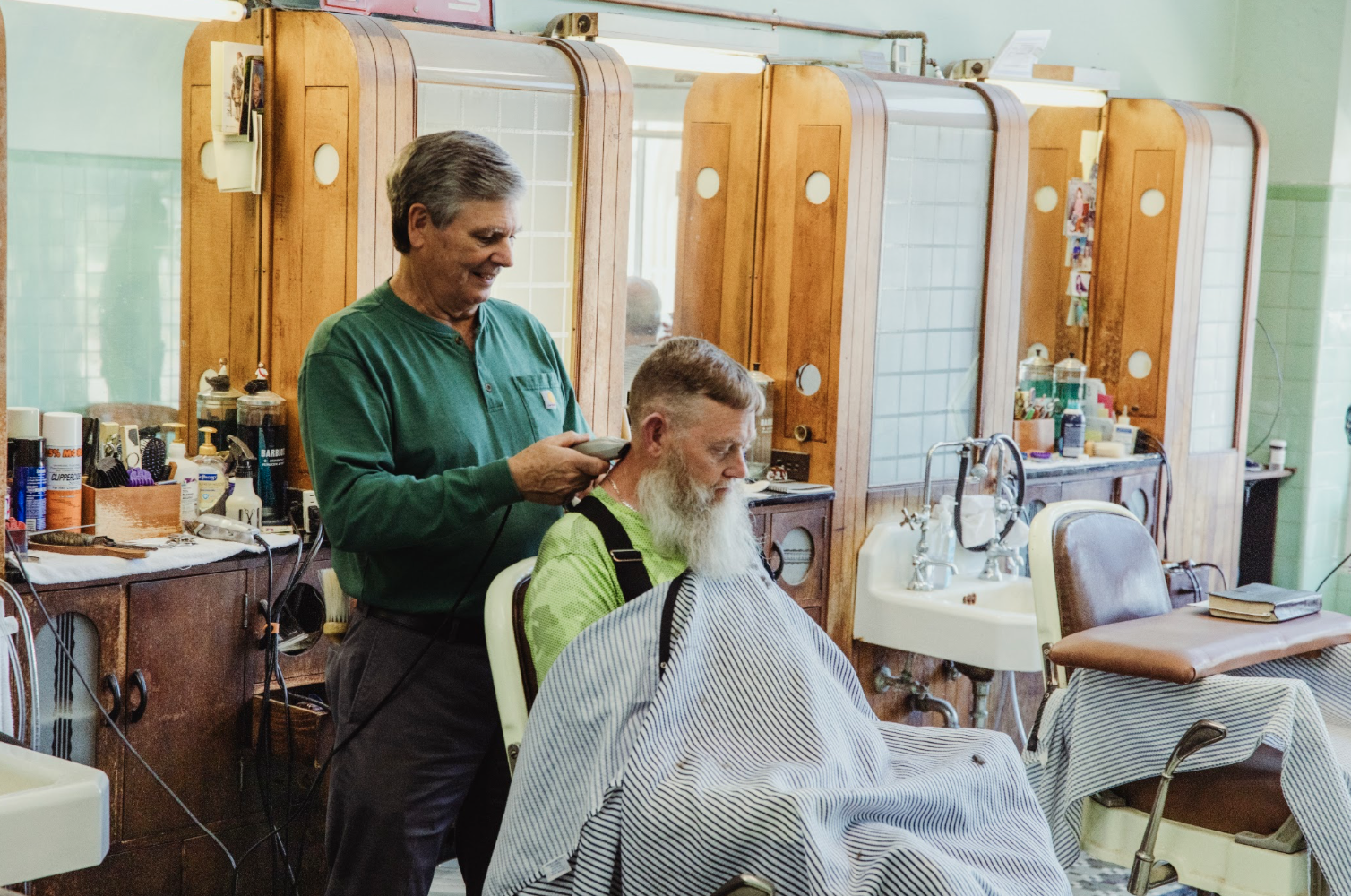
Just imagine the sheer number of conversations had, friendships formed, and neighbors who have met in those old wooden chairs lined up against the green‑tiled walls. Seriously, the place is like an unofficial archive of West Side stories – many of which will stay as hidden as the shop itself.
So don’t head over to Dunean Barber Shop asking for a haircut—they’re busy doing their thing.
But do learn a lesson from them: don’t underestimate the power of quiet glory.
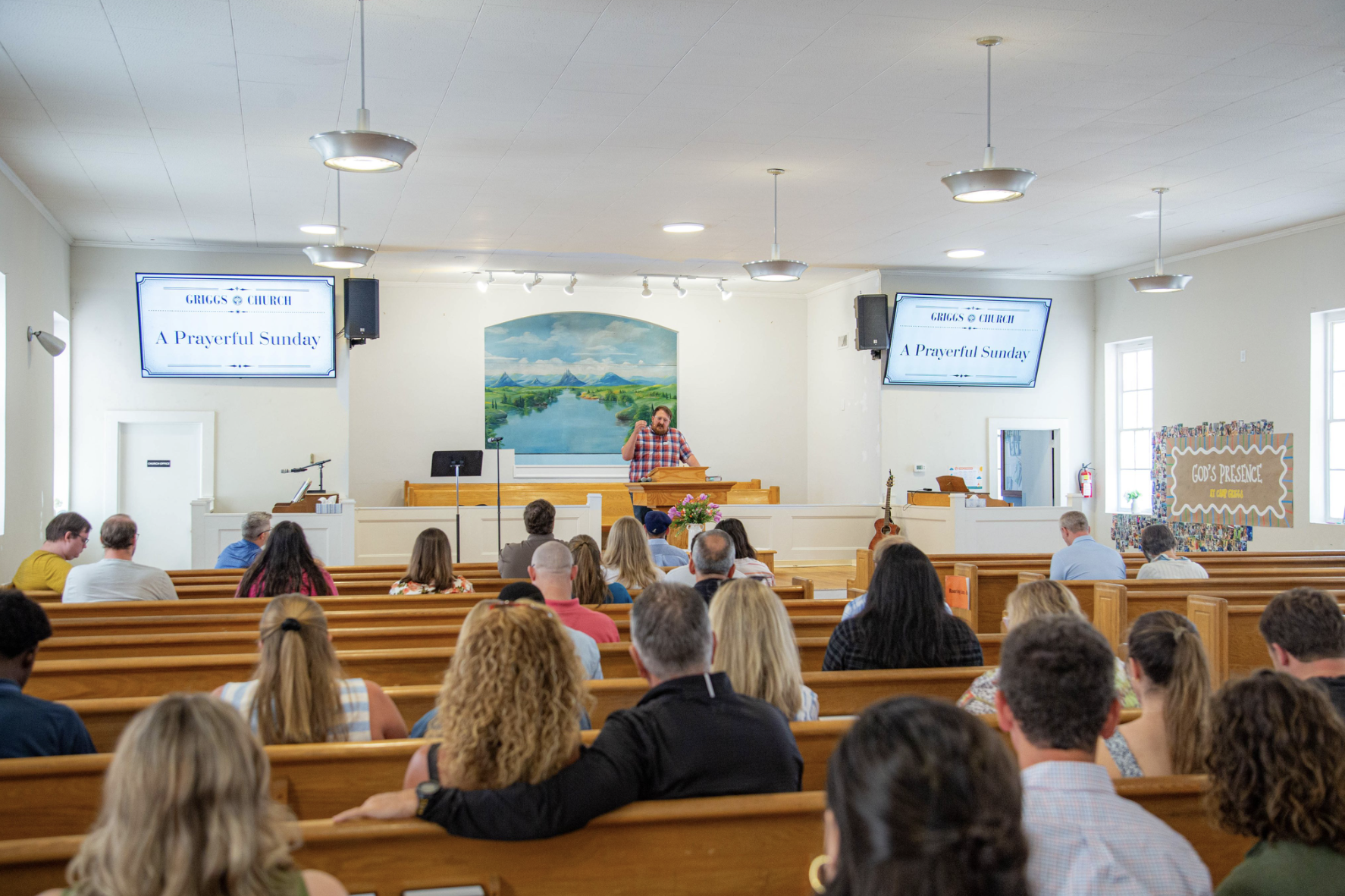
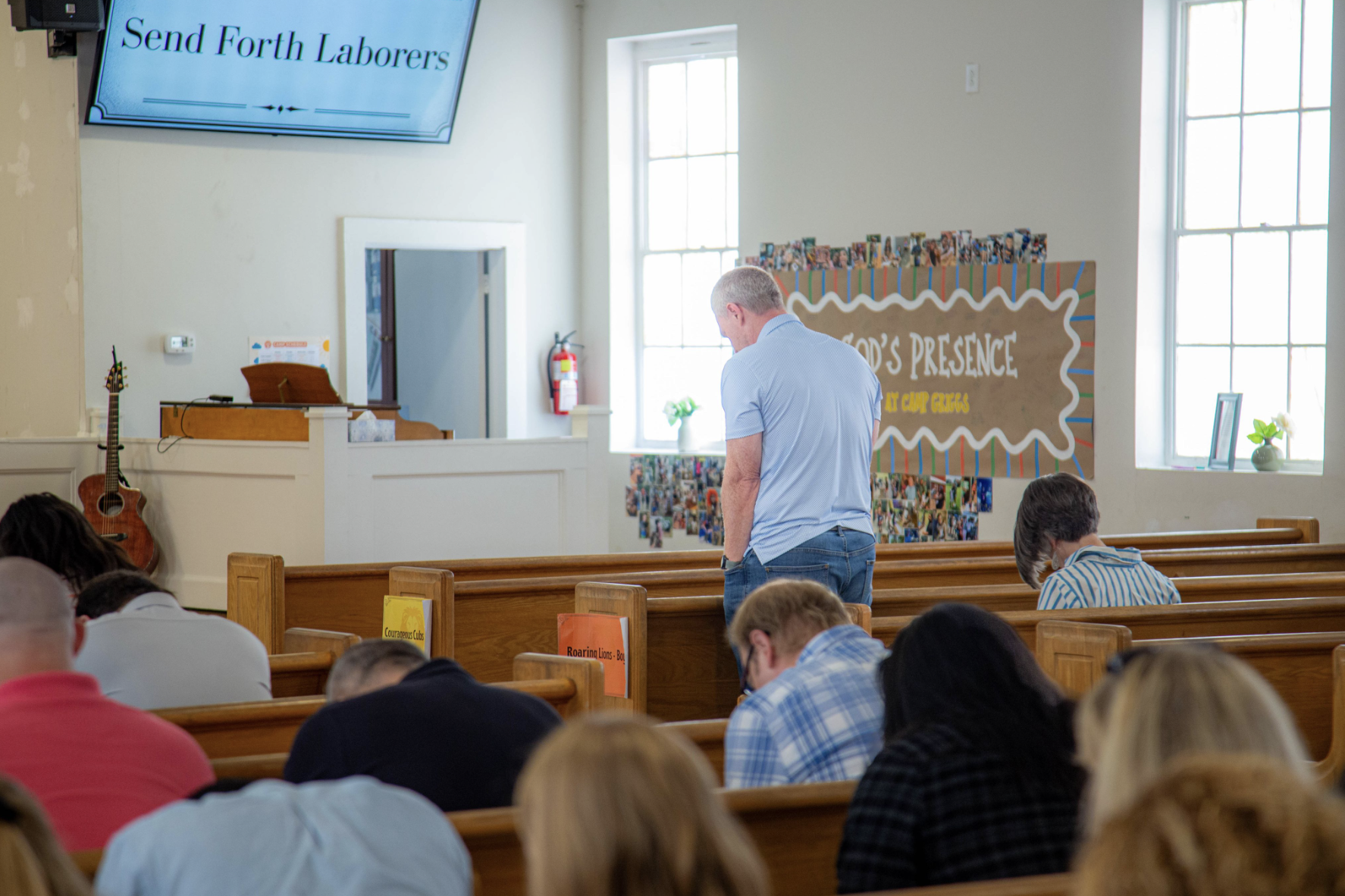
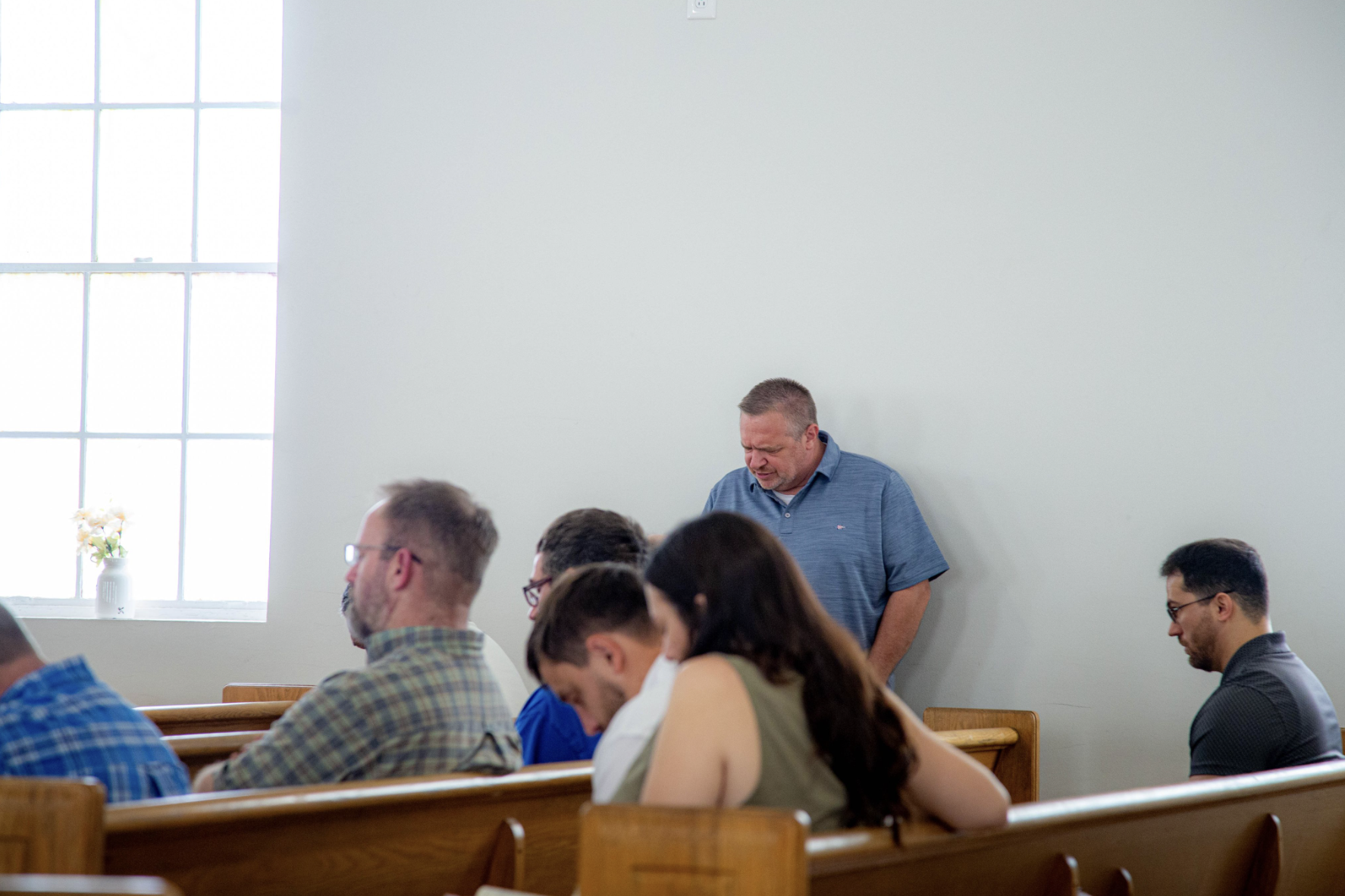
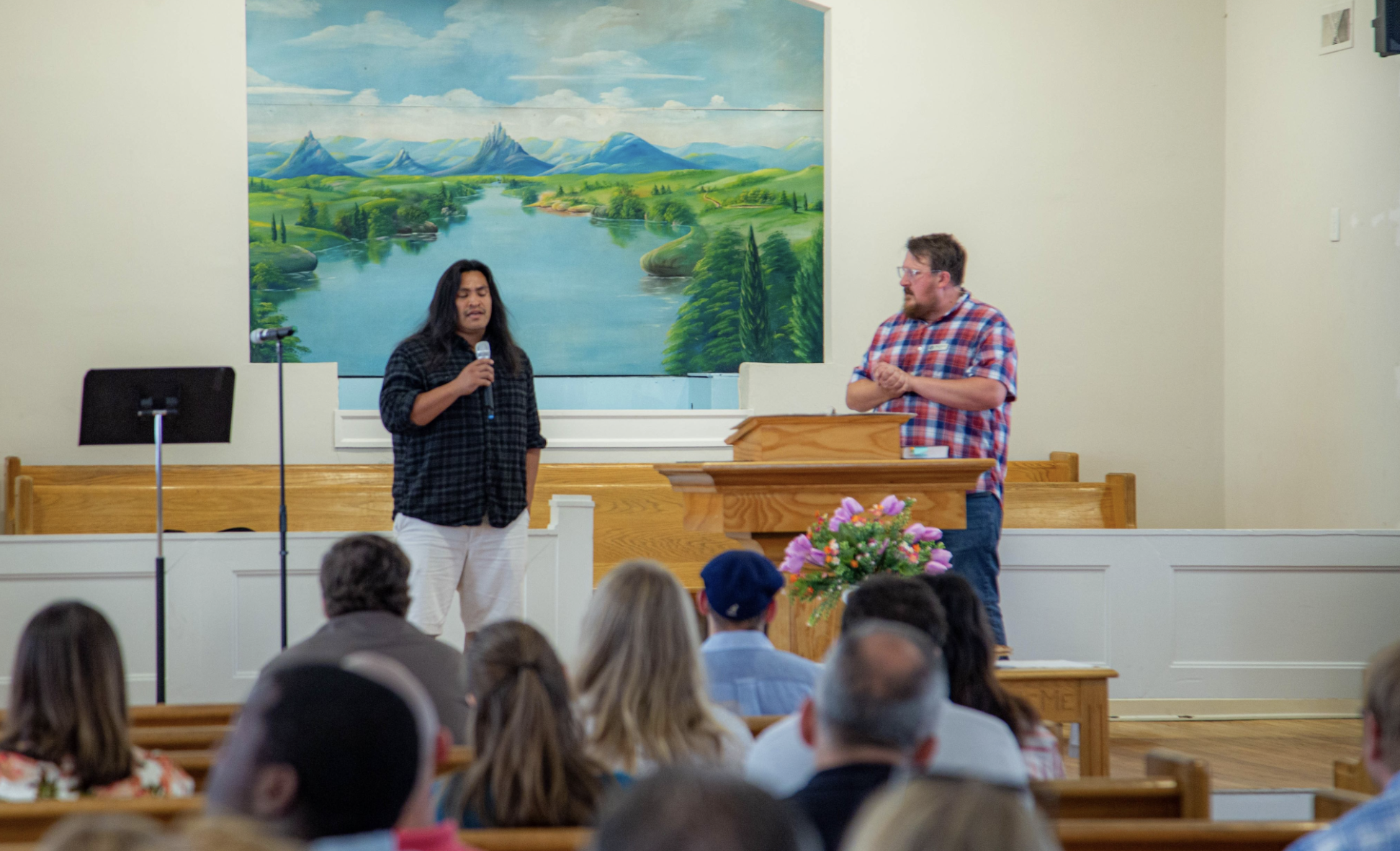
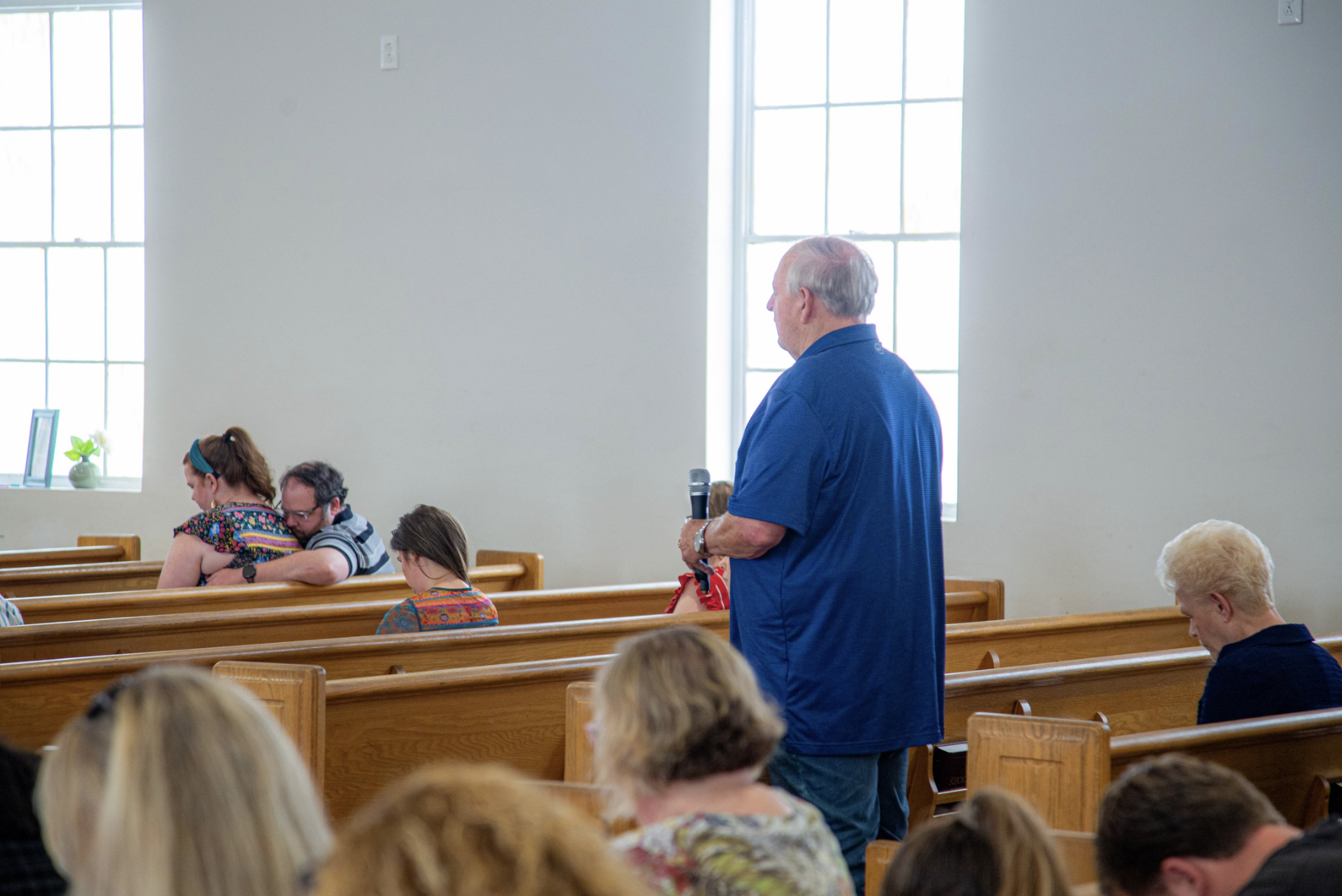
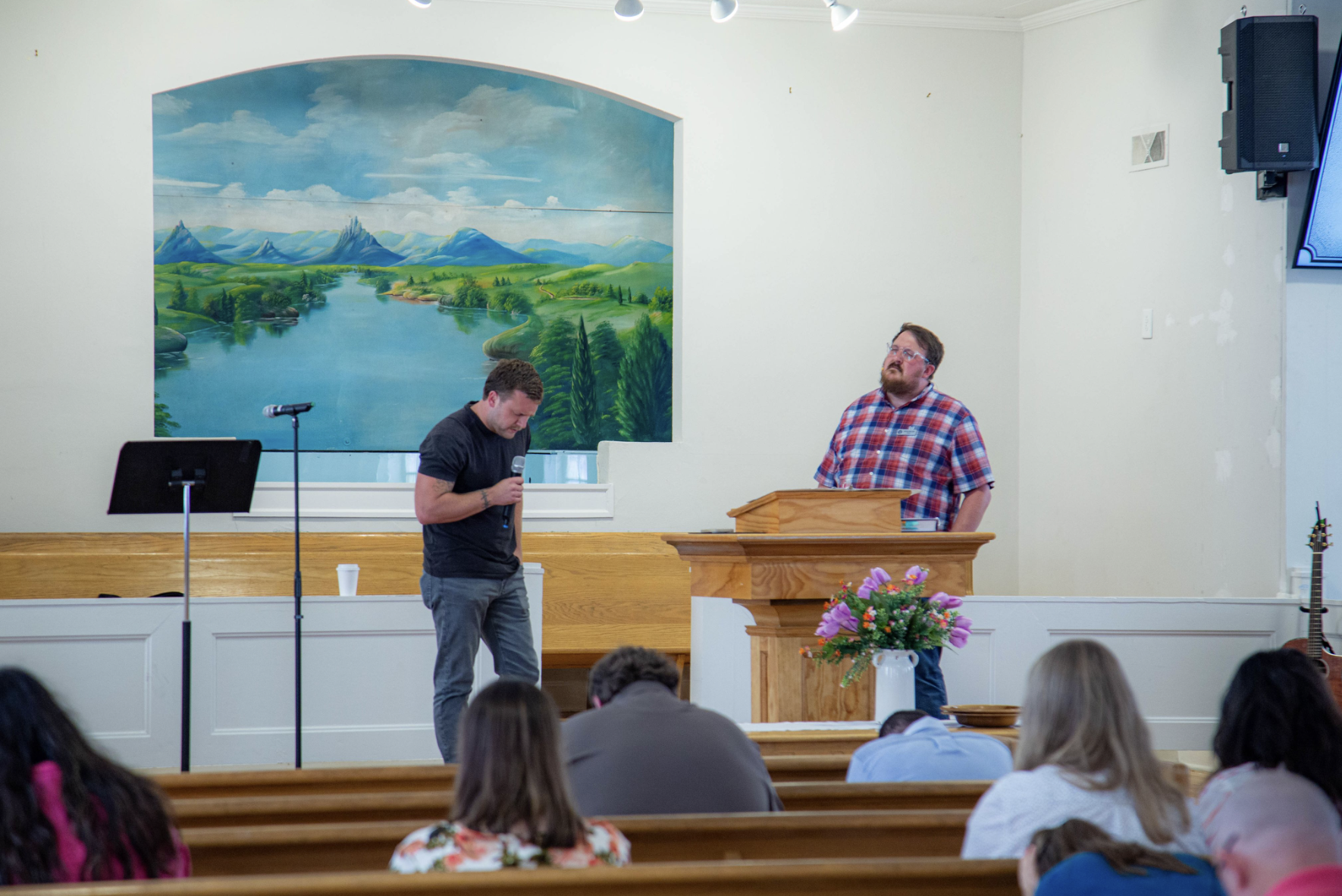
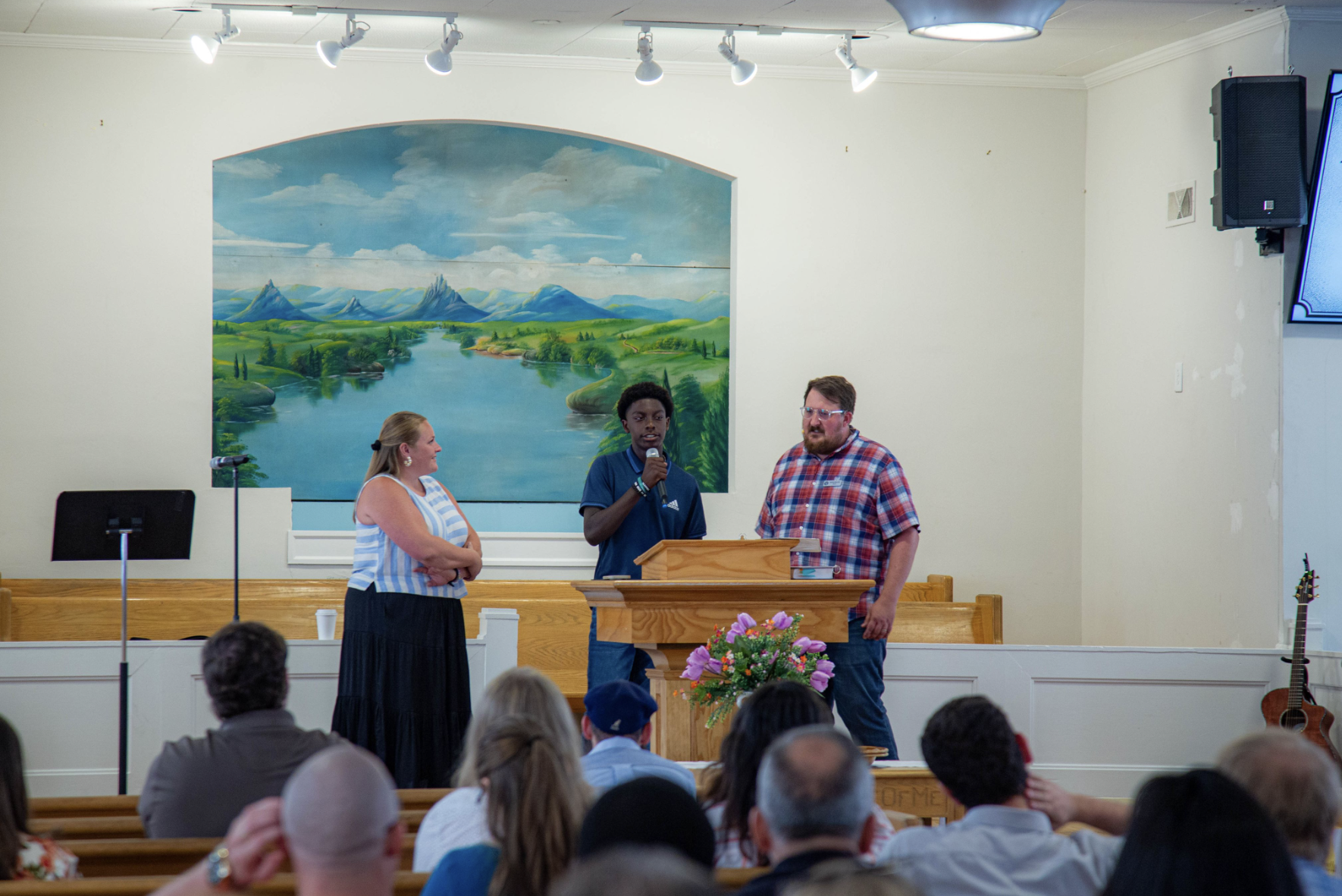
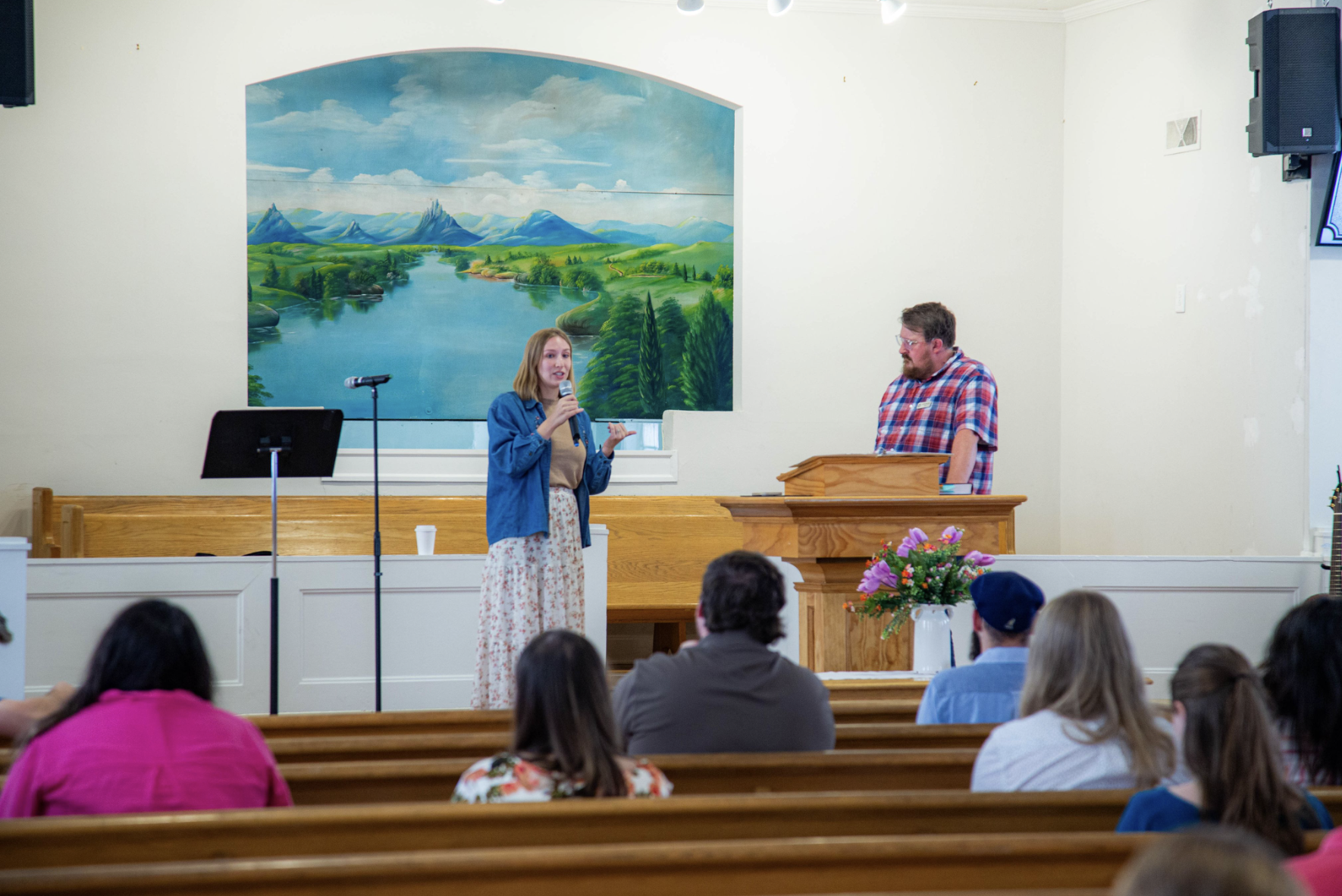
A Look Back at Prayer Sunday
A look back at prayer Sunday where we gather to ask God to send forth laborers, open the eyes of the blind, bring his glory to the nations, care for the poor and needy, protect us in spiritual warfare, and use our ministry to children in Poe Mill in a mighty way.
Mike & Jeff’s
At Mike and Jeff’s, every day is treated like opening day. The meat is never cut ahead of time. It smokes for no less than 16 hours over an open wood fire—no gas, electricity, or charcoal—and the green beans take all night to make, every night.
GETTING BBQ JUST RIGHT ON THE WEST SIDE
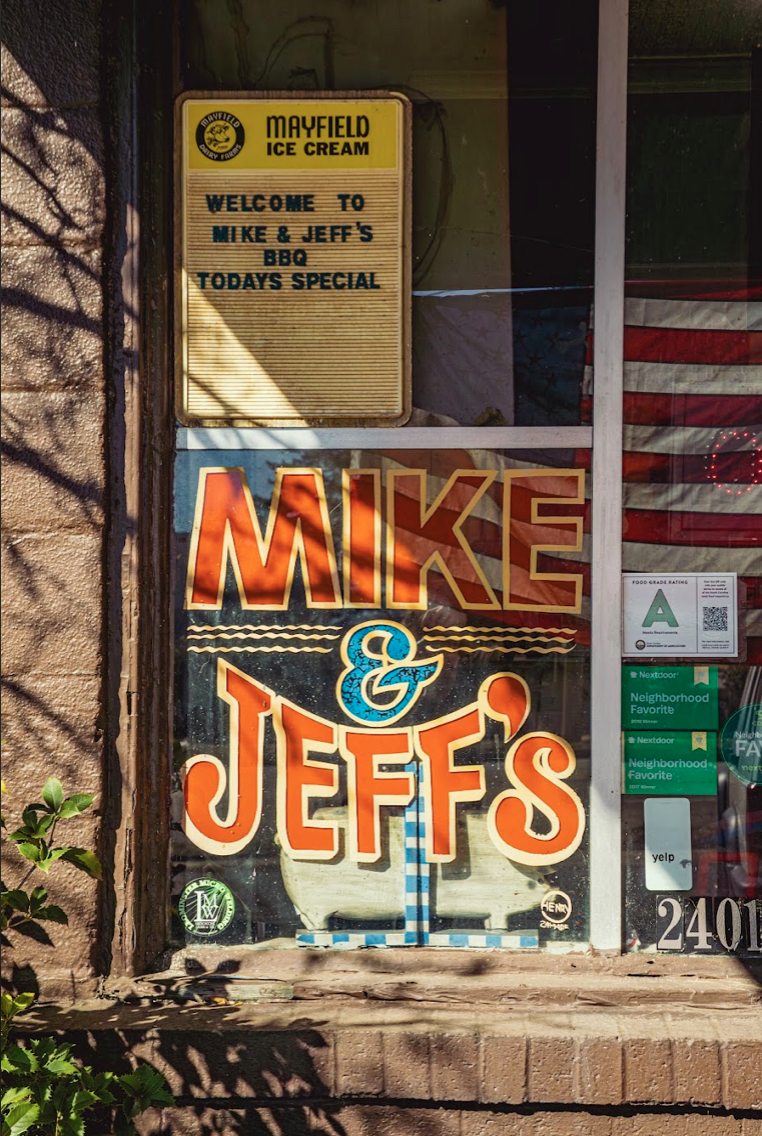
This quarter, we had the pleasure of sitting down to talk barbecue with Jeff, one-half of the famous Greenville institution: Mike and Jeff’s BBQ.
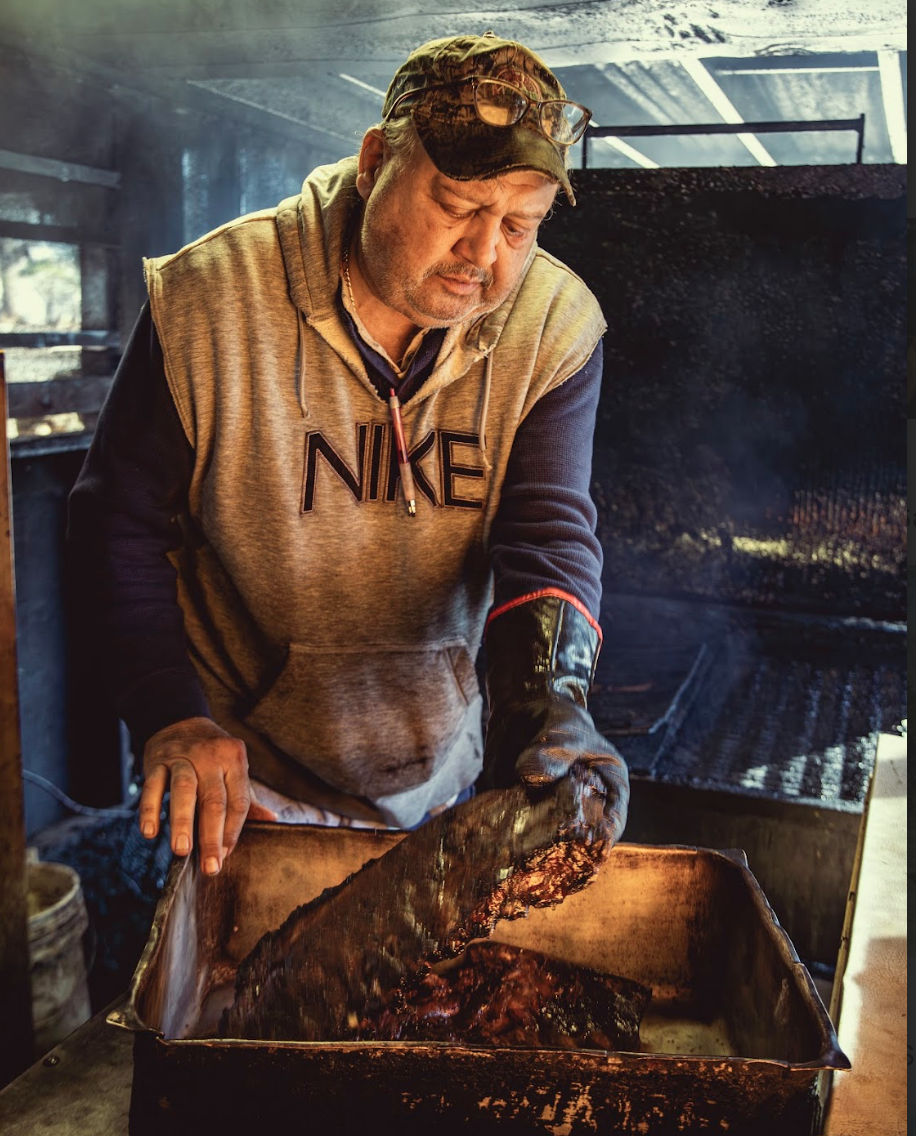
Jeff is approaching 30 years of serving incredible food on the West Side of Greenville in Sans Souci. His days typically start around 5:30 or 6:00 in the morning and run until 6:00 at night. And that’s one of the things he loves most about his job. “You get to spend some time by yourself, focused, with no distractions.”
Jeff is, in fact, laser-focused on good barbecue. He loves the craft. When we asked him why, when given the opportunity to start a restaurant, he chose barbecue, he said it came down to the technical aspects of the genre. “It’s because barbecue has to be done with skill. You have to take your time, you have to know what you’re doing to get it just right.” Jeff is known for getting it right.
At Mike and Jeff’s, every day is treated like opening day. The meat is never cut ahead of time. It smokes for no less than 16 hours over an open wood fire—no gas, electricity, or charcoal—and the green beans take all night to make, every night.
Another thing that makes this place stand out is the portion sizes. They don’t use measurements or limits beyond whatever the plate itself can hold. Jeff says that’s why so many barbecue joints don’t make it—they offer sizes like small, medium, or large. At Mike and Jeff’s, they load up the plate for every customer, every order. Jeff’s philosophy? “Make everyone a plate the same way you would make it if they were coming to the house.”
He then went on to talk about the Golden Rule—treating others the way you want to be treated. And, as he pointed out, everyone wants to be treated to ribs, chicken, pulled pork, potato soufflé, mac and cheese, and all the tea you can drink.
One thing about barbecue is that it brings people together—all kinds of people. You can tell a good barbecue place by its customers. If you walk in and see businessmen in suits and ties in one booth, construction workers in another, and a family sitting around a table behind them—that’s what barbecue is all about. And that’s exactly the kind of crowd you’ll find at Mike and Jeff’s. Lawyers coming in from downtown are treated the same way as people walking in off the streets of the Sans Souci neighborhood.
All of this makes Mike and Jeff’s an integral part of Greenville’s culinary scene—literally. While we were sitting down with Jeff for this interview, a big van pulled up. It was one of John Nolan’s Greenville Culinary Tours. A handful of people emerged from Nolan’s van to check out Jeff’s process and sample what many consider some of the best pulled pork in Greenville.
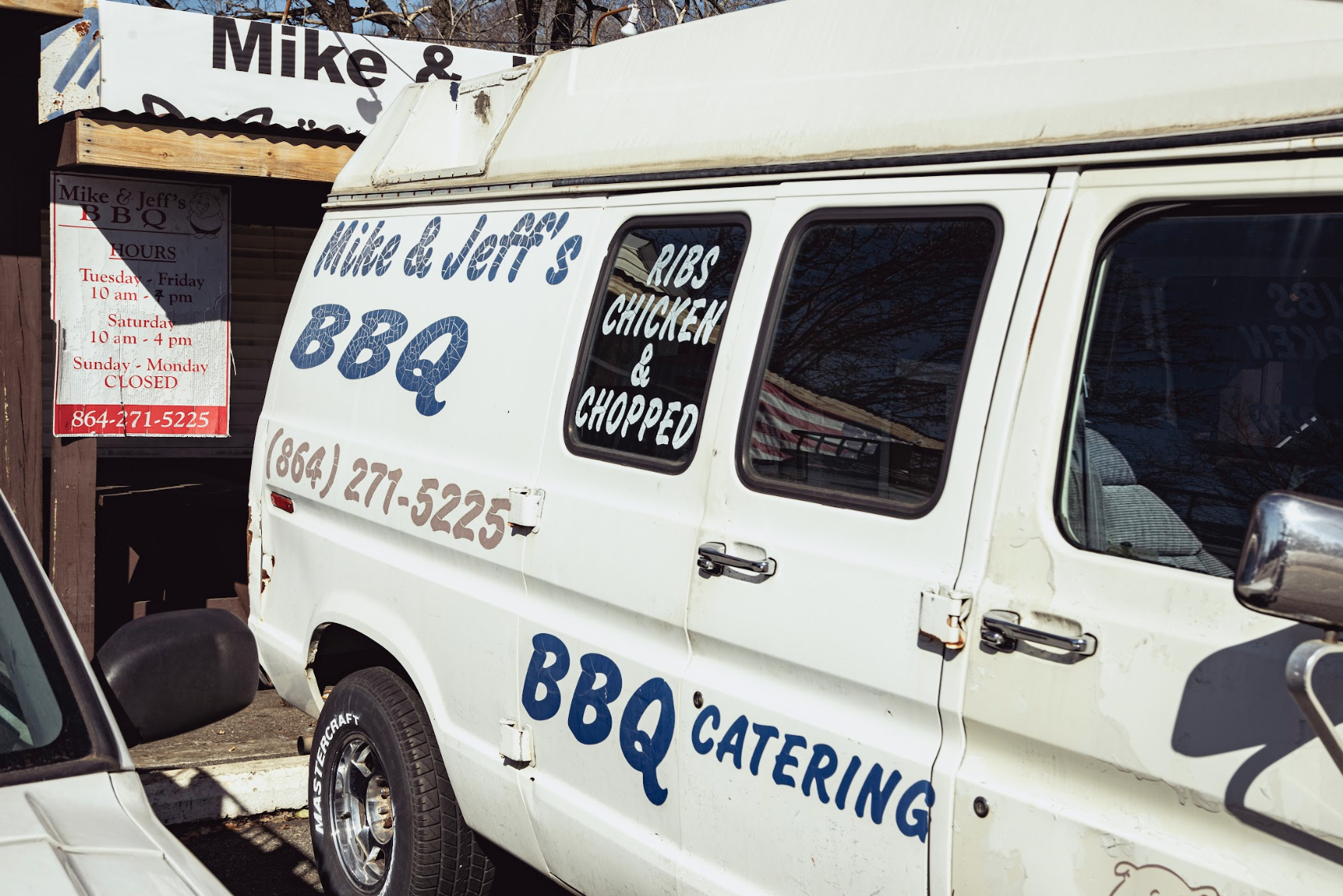
It’s so good that wedding season is one of their busiest times. Every year, dozens of couples ask Mike and Jeff’s to cater their most special day.
Jeff’s life goal was to run a restaurant that would provide for him and his family. He has definitely met that goal. And we suspect he’ll continue to meet it for many years to come.
Mike and Jeff’s is located at 2401 Old Buncombe Road and is open Tuesday to Saturday from 10 a.m. to 4 p.m. Next time you’re in Sans Souci, stop in for a bite and meet Jeff. He’s always around.
At some point, make sure to try the “BBQ Dog,” a unique offering that combines a hot dog with pulled pork, chopped red onions, and South Carolina's mustard-based BBQ sauce. Enjoy!
Going Over to Gus’s
When we asked George what makes Gus's unique, he didn't hesitate: soul food, and their unwavering commitment to the meat and three.
A Long-Standing Oasis on White Horse Road
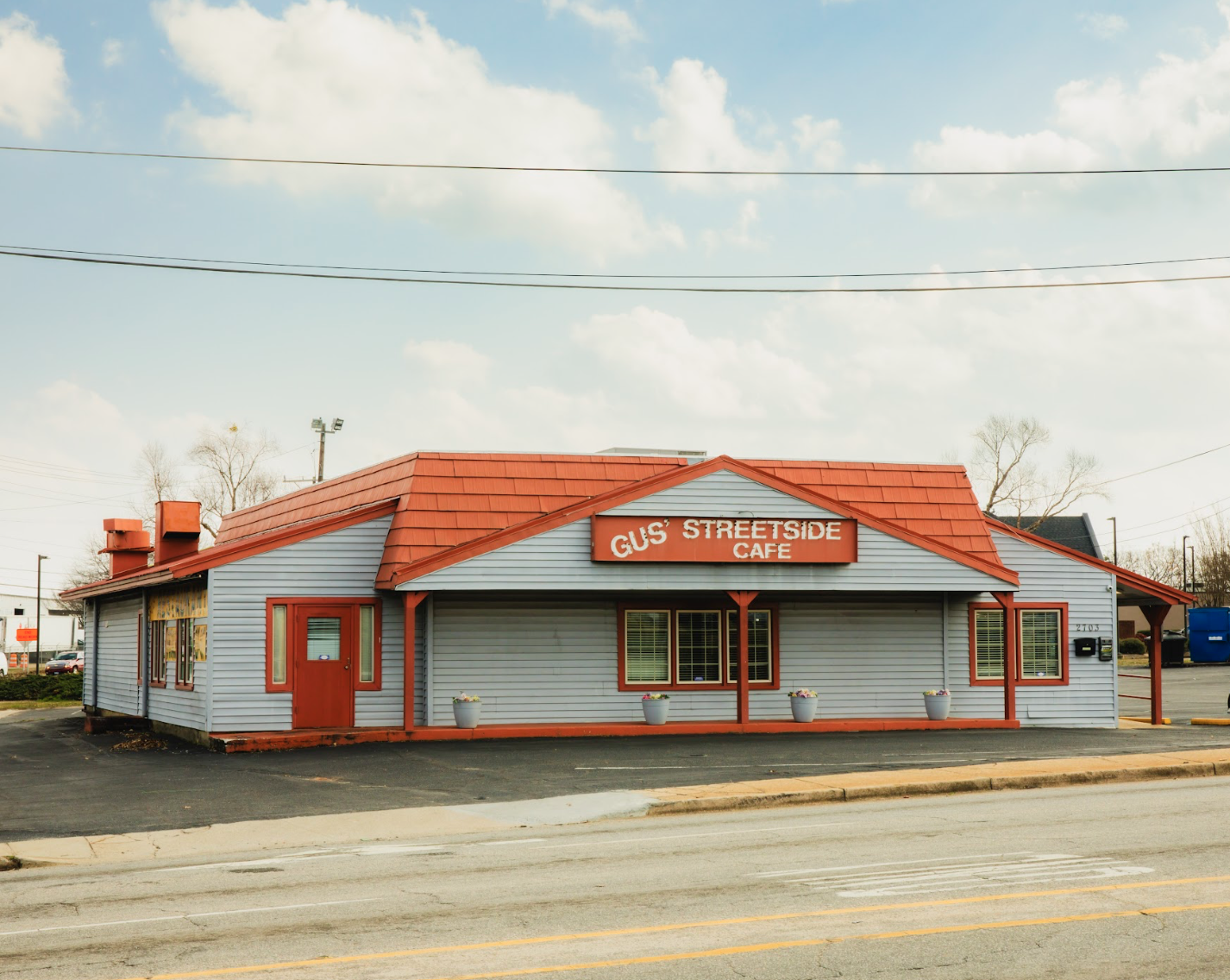
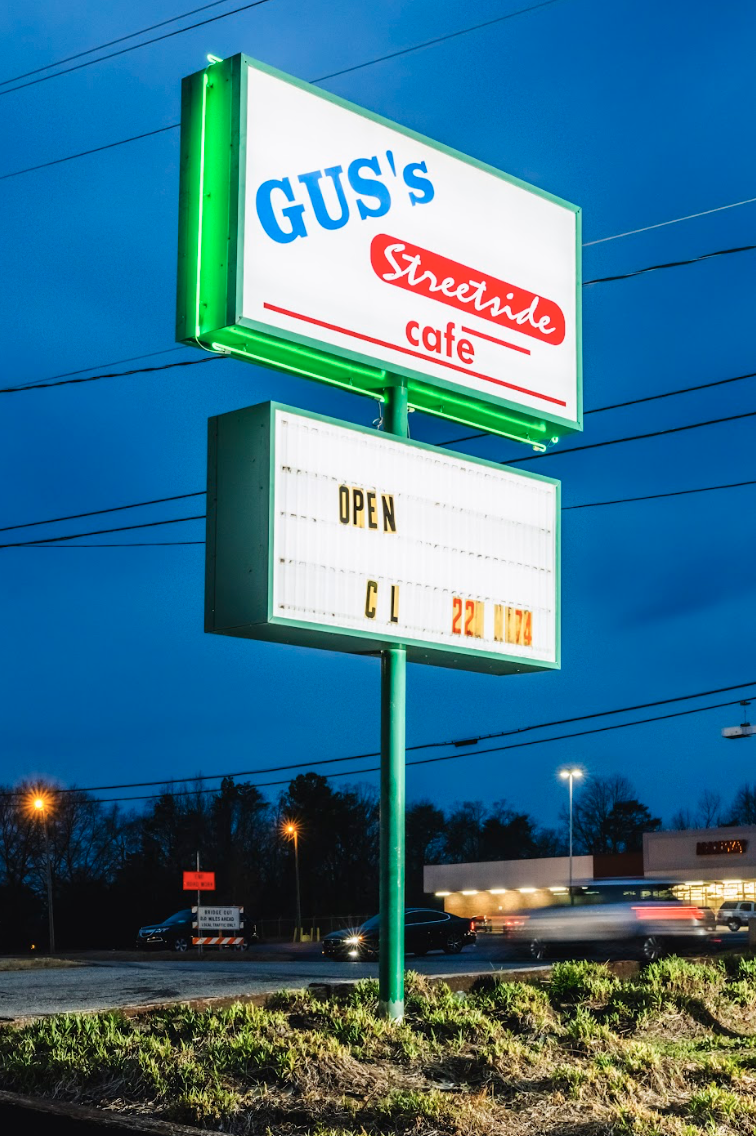
On White Horse Road sits a restaurant you simply have to stop at — Gus's Streetside Café. This oasis on a busy street corner has been serving the community for over 40 years. It started it’s life as a diner called "Po' Folks," but was acquired by a man named — you guessed it — Gus, who renamed it and took things to the next level.
He eventually sold it to our friend George (just George — he says his last name is too hard to spell, so don't bother) in 1999, and George has taken things even further. And Gus isn't mad about that. Though well advanced in age, Gus still comes in on occasion.
George doesn't just own the restaurant — he runs it. "My wife runs the front counter and works as the hostess," he told us. "I'm in the back doing pretty much everything else." He cooks, handles the accounting, and manages a staff that, by all accounts, loves where they work. One waitress, Tracy, summed it up simply: "Oh, we all get along. We're like a family. It's such a great crew to work with.”
Tracy and the rest of the wait staff know pretty much everyone in the large dining room, which fills regularly with familiar faces — neighbors, regulars, and more than a few sheriff's deputies.
And what are they all coming for? Mainly turkey and dressing. And cornbread, which the staff make themselves.
"You'd be shocked at how much turkey and dressing we sell," George's wife told us. We were not shocked — because everything they make is simply perfect. Beyond the turkey and dressing, we tried a handful of dishes, from the Philly cheesesteak to the massive portion of fried chicken they give you, and finished with a slice of pecan pie from the dessert case displayed right at the front door. Not a single thing disappoints.
When we asked George what makes Gus's unique, he didn't hesitate: soul food, and their unwavering commitment to the meat and three.
While newer restaurants — even new Southern restaurants — tend to shy away from that tradition, Gus's does not. They may add items to the menu to welcome more people in, but they have no interest in taking anything away, especially not what brought them to this point.
We couldn't agree more. At one point, George glanced around at some of the lighting fixtures and décor and mentioned that maybe it was time to update a few things. We told him no — don't change a thing. We don't think he will.
George does think about the future, though. He wants to see more people shopping and eating along the White Horse Road corridor. In his experience, the area saw stronger foot traffic before the 2008 housing crisis, and it took a long time to recover. Today, White Horse Road has more to offer than it did before 2008 — but the number of people engaging those businesses seems to have plateaued. George wants that to change.
"There are a lot of solid businesses and restaurants on this side of town," he says. "Come this way and give us another look." We at Saltbox can assure you that won't be a hard challenge to accept — especially once you try the cornbread.
Being intentional about where you eat and shop is a simple, meaningful way to make a real difference in the lives of people like Gus, Tracy, and George, who pour themselves into their work — much of it quietly happening “in the back” — to serve this community well.
An Interview With Our Ministry Resident, Nate LabadorF
About six months after that conversation with God, Mitch suggested I apply to this residency. I did, and they accepted me. It's been a tremendous experience.

How did you get to Griggs?
I got to Griggs several years ago. I was working at Greenville Memorial Hospital and walking through the loading dock area when I got a random call from a fella named Nate Foote. Nate was some degree of cousin to my wife — once removed or something like that — and he called me out of the blue one day and said, "Hey, are you looking for a church?" I said, "Yeah, actually I am." He said, "Have you ever heard of Griggs?" I said, "Nope, never heard of it." He told me about Mitch Miller and said, "Hey, why don't you come on over? I'm moving back from Houston to the Greenville area and I want you to come visit."
At that point in my life I was actively looking for a church to join and become a member of, so I said, "Sure, I'll give it a go." We attended that next Sunday and really loved the spirit of the place. Our kids went into children's church, and at that point they had a pirate-themed children's church going on. For the first year or so, we called it the Pirate Church — because we had visited so many different churches, we had nicknames for them all: the green church, the blue church, and then this one, the Pirate Church. We kept attending and really enjoyed it. We went away for a brief stint and then came back, and I've been here ever since.
What made you stay?
The primary reason we stayed is that I truly believe God has called us to be here at Griggs. But there are several other reasons as well.
Our kids have friends here and they love coming to church. It's not a large church — there isn't a huge youth group or anything like that — but they have genuine friendships here and they're always begging to come. They're genuinely disappointed when they can't.
The people here care about us and care about my family. That genuine love has kept us coming back. It has been a real joy to get to know everyone and grow together as a church family.
Mitch has become my friend, and I am just honored to be at a church with him as my pastor. He has a gift for teaching and can express Scripture in a way that is full of compassion and love.
Most of all, I'm here because Griggs is a hospital church — a place where souls can come and be healed. That healing is something I have desperately needed. Over time, sermon after sermon, hearing the Word of God preached and watching Mitch care for me and for others, I can say with confidence: this is truly a church that exists for the care of souls.
What made you want to be a Ministry Resident?
God called me to ministry when I was in high school, and I've been trained for it for a long time. But through a number of different paths and for a number of different reasons, He hadn't brought me into ministry proper yet. He had to bring me to a point of real humility — a place where I was okay with simply being a lay member of a church and serving the best I could. I accepted that, and I told Him I would step into ministry when He called me through His church.
About six months after that conversation with God, Mitch suggested I apply to this residency. I did, and they accepted me. It's been a tremendous experience.
My main reason for entering the residency is to learn the soft skills and day-to-day operations of church life — how to meet people, build relationships, and care for them well. I've received theological training, but I don't have the practical, day-to-day experience of pastoral ministry. The residency gives me the opportunity to build those reps and learn what it means to be a pastor in real, hands-on ways.
What is a Ministry Resident?
At a large church, a ministry resident typically has a specific focus — a worship resident, a student ministry resident, something like that. At a smaller church, a ministry resident does just about anything and everything. The goal is to get the resident trained through practical, hands-on experience in ministry.
It's similar to a medical residency at a hospital. Once you finish medical school, you're a fully credentialed doctor, but you cannot practice independently until you've completed your residency. Ministry residency works much the same way — it's designed to train and prepare you for full-time ministry on your own once you've finished.
What are some of the ministry opportunities you've loved the most?
I genuinely love serving here. Preaching is one of the things I enjoy most — I'll take any chance I get. My small group has been amazing. We've had some rough times, but I wouldn't have chosen any other group to lead. It's just frankly awesome to be in that small group. I love serving with the recovery guys. We work through the same things everyone else does, but we definitely have our own flair and style. And I enjoy getting to know people, befriending them, and loving them well.
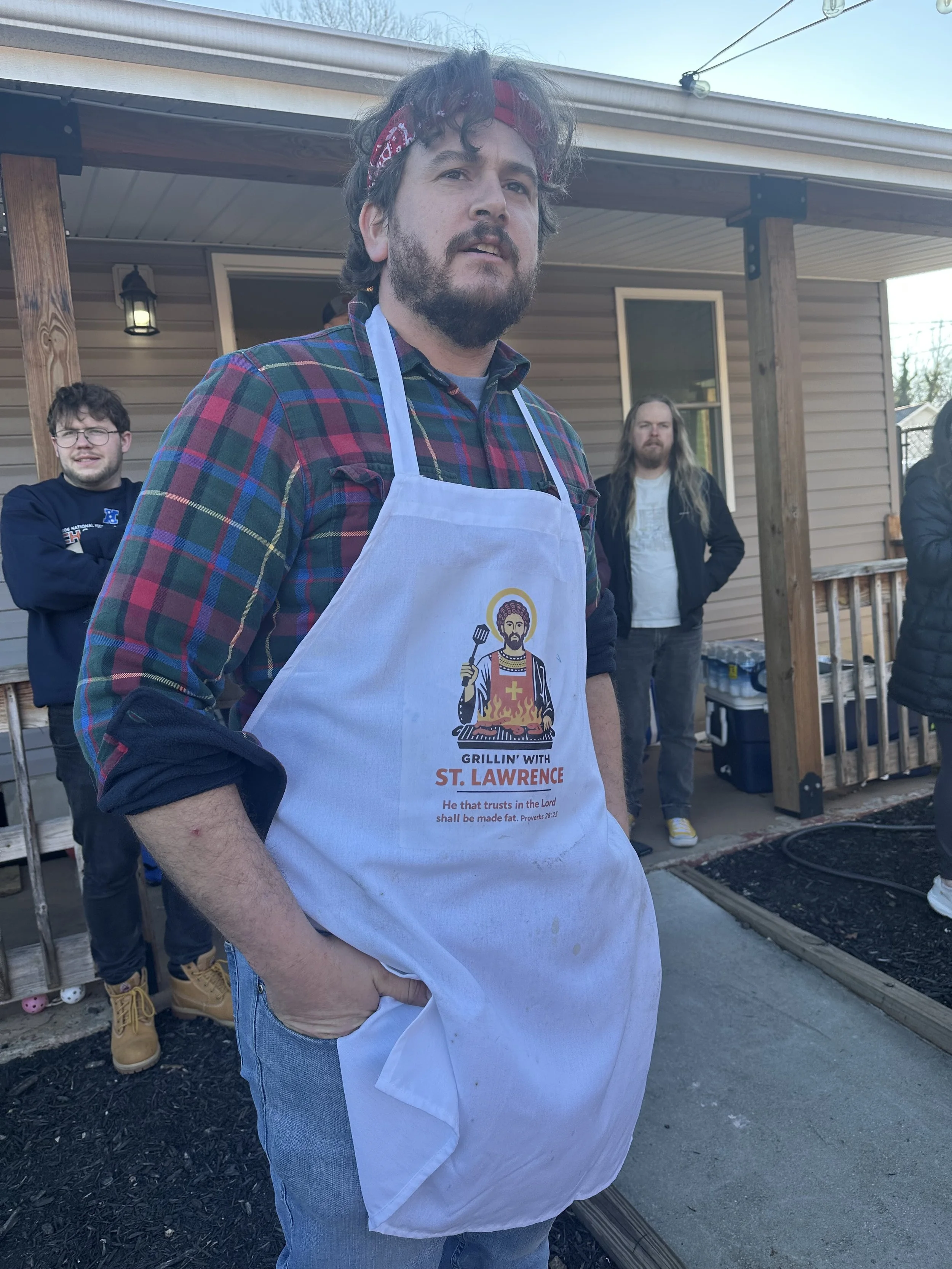
But honestly, one of my favorite opportunities here has simply been cooking for everybody. Flame and bacon grease are awesome tools in the hands of a pastor-in-training, and I really enjoy cooking and serving a meal — whether it's lunch, dinner, or breakfast.
What do you hope for our congregation at Griggs?
I hope the church continues to grow spiritually. I really hope Griggs continues to be this hospital for souls — a place that can lift up people like me who have been broken, help heal them, and send them out into ministry all over the Upstate and wherever else in the world God leads them.
I want to see Griggs continually pouring out its life for the souls of others — breaking down barriers and sitting with people in the pain they're carrying. That's what I hope for most. I hope Griggs gets even better at it and becomes known as the church that can heal you, no matter where you come from or what kind of hurt — church hurt, world hurt — you're carrying. I hope Griggs becomes the church that reaches out with open arms, brings you in, and lifts you up.
What keeps you going in the residency even when it's challenging?
I keep going because this is what God wants me to do. I've heard His voice, and He has continued to be with me. I know He's called me into this, even through the moments when I was close to breaking. He has sustained me.
In the middle of the residency, He helped me launch my handyman business and has provided me with so much work — I'm eternally grateful. I know He wants me here.
I've also learned so much through submission — to the voice of Jesus and to the elders here at Griggs. I'll be honest: I carry a lot of deep wariness toward church leadership in general, rooted in past experiences. But that has been healing here. At some point I realized that the elders at Griggs were people I wanted to submit myself to — not just leaders to be tolerated. And so I'm just happy to be here and to serve however they ask.
We hear you have a podcast with some friends — will you tell us about it?
Oh yeah! It's called Fresh Ground Theology. It's me and a couple of buddies just talking about coffee and theology and having a lot of fun. We recently added a third co-host, and she brings a ton of energy that my original co-host and I were honestly lacking — we tend to come across a little stodgy on our own. So we're grateful for the balance.
We cover mainly theology, with some coffee woven in. We usually discuss what we're drinking, we've done some taste tests, and we ask random questions along the way. It's just fun. We've gone through topics like blessings and curses, the Eucharist, and a series on the Holy Spirit. Right now we're in a series on the Fire-Baptized Holiness Church — its origins and history — which has been fascinating.
This summer — July 2026 — we're launching a series we're calling Rivals to the Kingdom of Yahweh, which explores the supernatural world as it's presented in the Bible. Further out, we're planning a series on young earth creation from the Genesis text, though that'll probably be 2027 by the time it releases.
We're also about to launch a short spin-off called The Weekend Cup, where we read or discuss a saint in about ten minutes — a quick, digestible episode to start the weekend. And on the off weeks from the main show, we release what we call the Distracted Christian podcast — a more pastoral solo episode from one of us, going a bit deeper. Right now that series is working through the classic Christian mystical work Dark Night of the Soul by St. John of the Cross, exploring what it means to draw close to God and what it means for God to draw close to you.
It's a lot of fun and there's always something new in the works. We hope you'll give it a listen!
One Prayer for One Church
Jesus uses some of his final breaths to ask the Father that his people would be “one.” Not a general unity, not simply good feelings toward one another, or simply an absence of conflict — but a closeness that mirrors the unity of the Trinity itself.
The ministry of bringing other ministries together
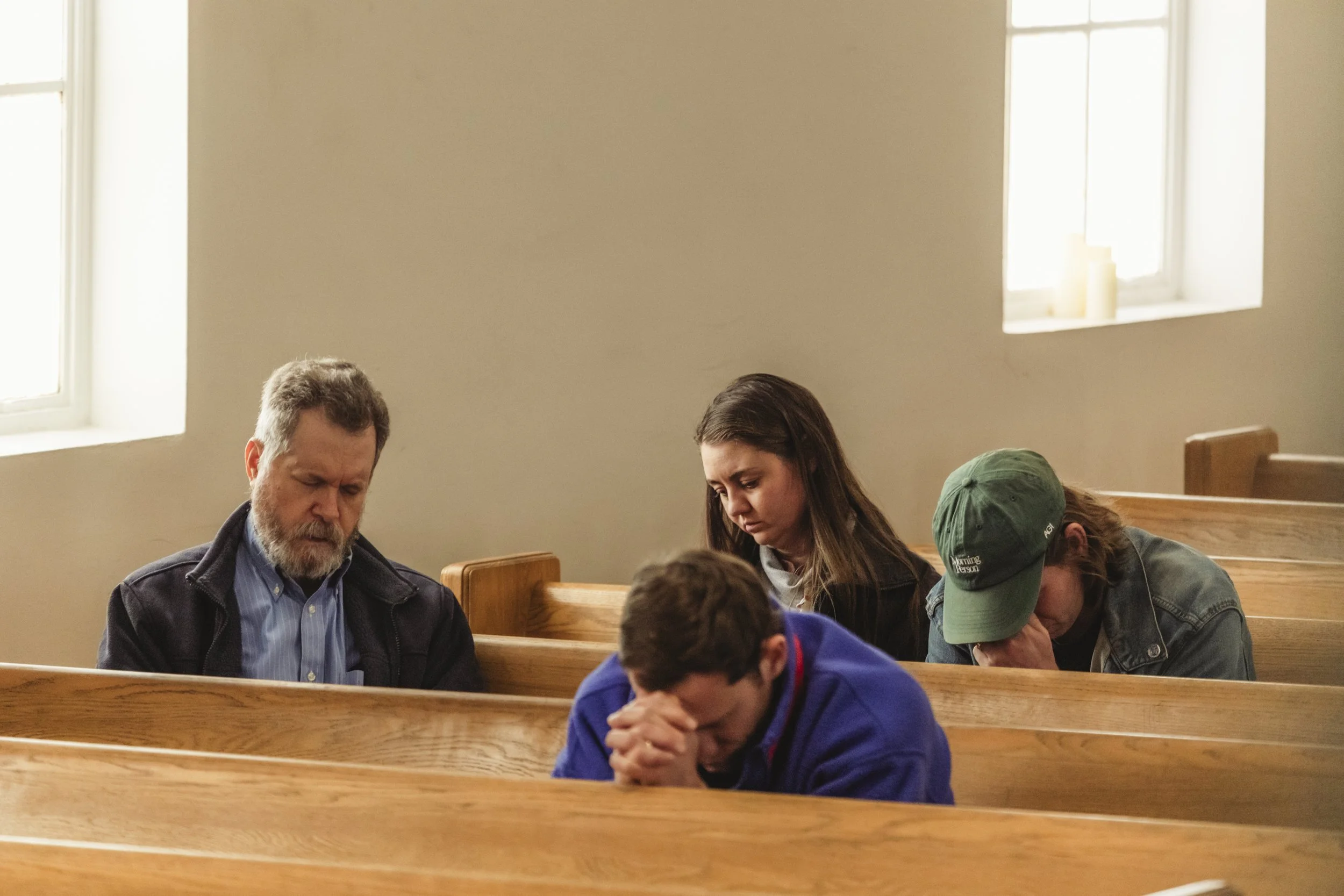
There's something Curtis Carr and Joseph Cheetham can't get out of their heads: Jesus' prayer in John 17.
This prayer appears right before Jesus goes to the cross. It's the darkest night of his life, just hours before he faces our greatest enemies. And what does he pray for? Unity.
Jesus uses some of his final breaths to ask the Father that his people would be “one.” Not a general unity, not simply good feelings toward one another, or simply an absence of conflict — but a closeness that mirrors the unity of the Trinity itself.
"Holy Father, keep them in your name, which you have given me, that they may be one, even as we are one." — John 17:11
This passionate plea from the Son to the Father, on the night before he died, is what inspires these two men to lead One Prayer, an organization with a singular mission: repeating Jesus' prayer for church unity, in Greenville.
Though it is clearly an ecumenical endeavor, it is also a gospel-rich one. To participate in One Prayer, churches agree to a statement of faith built on 10 fundamental doctrines the church has historically held dear.
One of those 10 statements reads: "We believe Jesus atoned for the sins of the world through his birth, life, death, resurrection, and ascension, which is a gift of God that no man can earn."
At Griggs Church, we say amen to that wholeheartedly.
One Prayer invites churches to pray together regularly in a variety of settings. Each year, they host a large worship night as well as prayer rallies on special occasions like the National Day of Prayer.
Additionally, on a monthly basis, they alternate between two formats: every other month, they host a free pastors' lunch at City Range on Haywood Road, where church leaders gather to eat and pray together; on the remaining months, One Prayer selects a host church and opens a one-hour prayer gathering to anyone who wants to attend, from noon to 1 p.m.
This year, Griggs Church had the privilege of serving as one of those host locations. People from all walks of life came together to pray for revival, unity, and church health across Greenville. It was actually our second time being selected as a host, and it was a joy each time.
Curtis and Joseph want us to remember that "One Prayer isn't just an event — it's a movement of unity, worship, and love for our city." They believe that "when believers gather in love, the world sees a glimpse of heaven: many parts, one body, one Spirit."
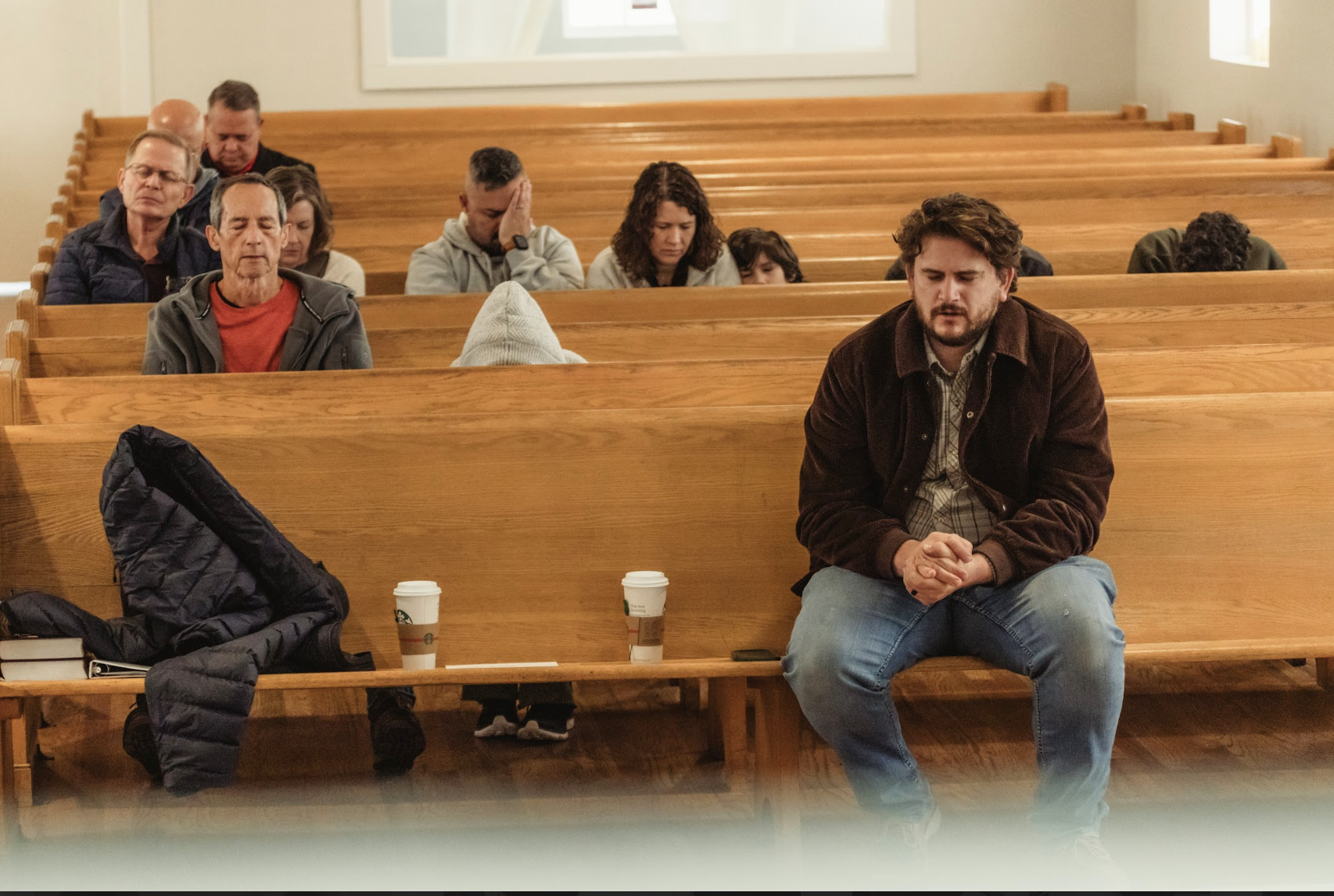
We at Griggs couldn't agree more. We deeply long to see church unity take root, especially here on the West Side. That's why, on the fourth Sunday of each month during our worship service, we set aside dedicated time to pray for another mill village church by name. We want to keep before us the truth that there is not a single ounce of competition in the body of Christ — only completion and cooperation.
We want our Saltbox readers to be able to join us in that prayer. So in this issue, we're naming several West Side churches along with a specific prayer request for each one.
Calvary First Baptist — Pray for their food pantry ministry as they feed the hungry every Tuesday morning and share a devotional with those who come.
Park Place Church of God — Pray for their continued outreach to the surrounding neighborhood, and for spiritual power and growth in their vibrant kids ministry.
Woodside Baptist Church — Pray for their West Side Crisis Center, which serves those struggling to meet their most basic needs week in and week out.
Dunean Church — Pray for their church revitalization as they grow and stabilize with the help of a partner church sending new families their way. Ask God to move powerfully in the Dunean neighborhood and raise up new disciples.
West End Baptist Church — Pray for their new assistant pastor, Adam Vasquez, and his family as he steps into this role and invests himself in reaching the neighborhood.
Reconcile Community Church — Pray for their FCA clubs in some of Greenville County's most underserved schools. Ask God to bring students to faith and connect them to them to the church.
Sans Souci Church — Pray for the Sans Souci Academy, their community preschool. Ask that it would continue to grow and shine as a gospel light to the children and families it serves.
Holy Week for the Whole Neighborhood
Holy Week isn't just for us at Griggs. It's for everyone who calls 1st-6th avenue “home.”
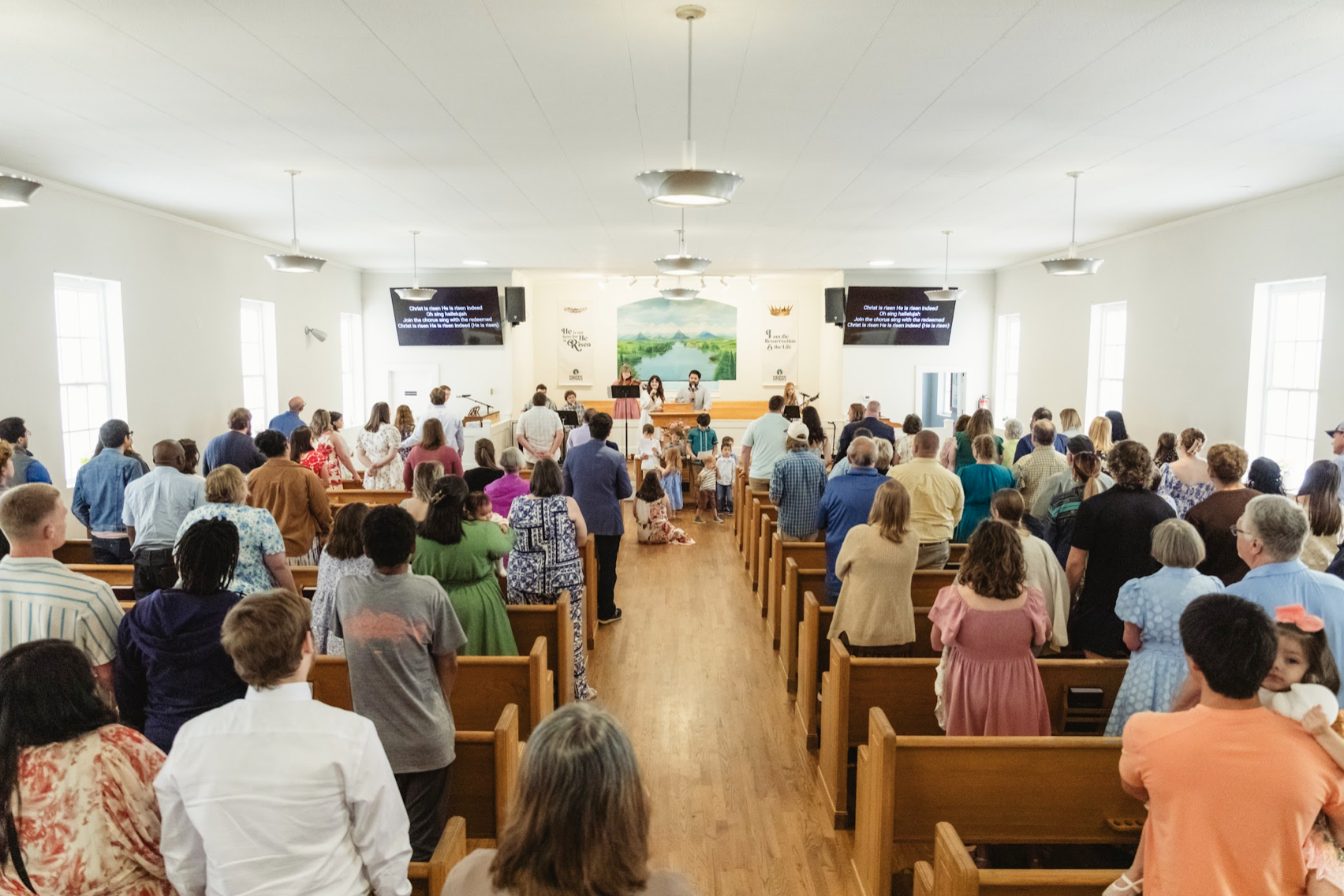
One key part of neighborhood missions is the church showing up for the holidays. The neighborhood is going to celebrate anyway — they might as well do it right on their own turf, alongside the churches that care about them and are sticking around for the long haul. At Griggs, we always seek to make the most of our holidays by extending invitation and outreach to the Poe Mill neighborhood. Here's the rhythm we've developed over the last several years.
We kick things off with our Palm Sunday block party at Ministry Park (27 2nd Ave, right in the heart of the neighborhood), celebrating the simple truth that Jesus is King. Yes, it's a full block party — free food, giveaways, inflatables, and a big Easter egg hunt. But it's also a worship service, because our King has come to us.
We gather under the pavilion for worship, teaching, and even baptisms in a big silver trough. This year, dozens of neighbors joined us to sing to King Jesus, including our homeless friends and a neighborhood resident who is blind. By the end of the afternoon, about a hundred neighbors had come through, received a free Bible, enjoyed plenty of Easter chocolate, and gotten their faces painted (all in Jesus' name!)

Next comes our Good Friday service. It’s a quieter, more reflective gathering where the goal is to sit inside the crucifixion story as if we were the disciples on that first holy weekend, not yet knowing how it ends. We read large portions of the crucifixion account, take extra care to prepare our hearts, receive the Lord's Supper, and sing songs about the cross. This year, about 80 adults joined us, with three handmade crosses on stage to look at and reflect on.
After the service, the church is flipped and decorated in bright, hopeful spring colors because we know Sunday is coming, and so is the next chapter: Jesus is alive.
Easter Sunday is by far one of our most missional days of the year. This year, at least 20 extra neighborhood friends were in attendance. We want to make the most of that open door by not only proclaiming that Jesus is alive, but by demonstrating this truth. So we weave in all kinds of extra elements to show that Jesus is alive and moving in our midst: baptisms, baby dedications, and new members coming forward to join the church family.
Something we're especially grateful for is our Easter offering. Each year, we choose a neighborhood ministry to bless with our entire offering from that morning. We spend weeks preparing our people. We share the story of the chosen ministry, everything they do, and why it matters for Poe Mill or the West Side. Then on Easter morning, we invite a representative to come share their heart from the stage before we receive the offering on their behalf.
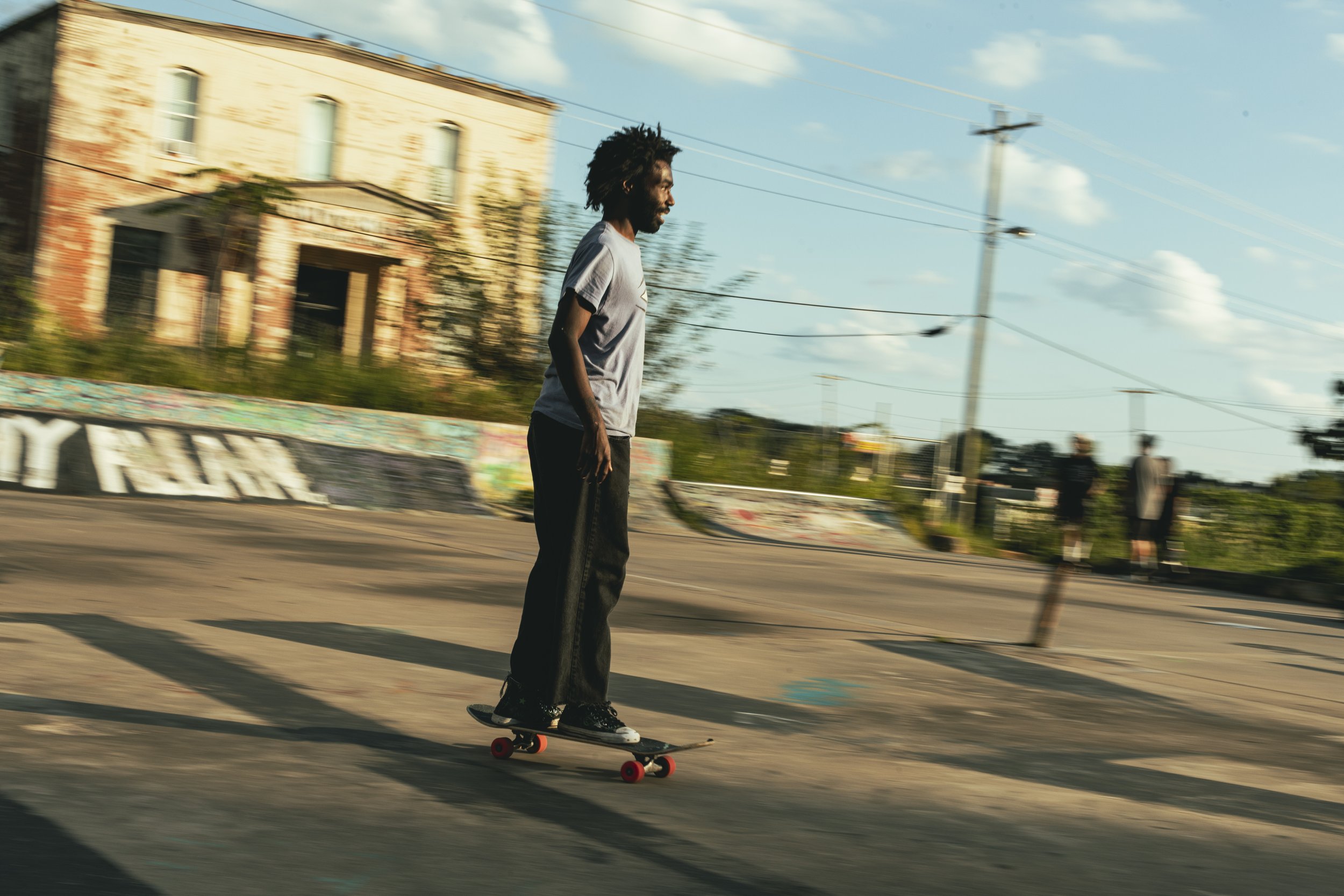
Over the years, we've been able to give our Easter offering to Soteria Community Development Corp, Poe Mill Achievement Center, Sammy's Mission, and — this year — Shelter Skate Church, a ministry that feeds skateboarders and runs Bible studies at the Poe Mill skatepark every Sunday afternoon. It seems we gave enough this year to send one of their skaters to Christian camp this summer. Praise God!
As a church, we do depend on the generosity of people like you to keep our ministry going. But it's good for us to practice giving to others as well. It reminds us — and shows the neighborhood — that Jesus is alive and working through all of his people on this side of town. By his Spirit, he is uniting his church to reach the neighborhood together. Holy Week isn't just for us at Griggs. It's for everyone who calls 1st-6th avenue “home.”
The Summer Paradox
There’s something strange about the way we experience time in summer.

Written in 2025 by Mitch Miller for our Summer Saltbox Quarterly.
There’s something strange about the way we experience time in summer.
First, we spend a lot of time looking forward to it. If we start looking forward to it in mid-winter, we end up anticipating summer for about as long as the season itself actually lasts. So there's a lot of build up.
Then summer finally arrives—and along with it comes pressure. Pressure to make plans, to make memories, and to not let this precious season go to waste. There's a sense of hurry.
After the initial rush wears off, and we nearly faint getting into our volcanically hot cars, we start muttering, “I can’t wait for fall.”
But in July, when stores begin running “Back to School” sales, we mutter the opposite: "Where has summer gone? I'm not ready for fall!"
In the span of a few short weeks, we go from longing for summer to mourning its loss. It’s dizzying.
Why do we feel this way?
It comes down to how we view summer. For many of us, it's “time off.” It's time for us. Time for our leisure, our vacations, and our ease. Thus, we tend to approach summer more selfishly than we do other seasons.
We enter summer with a tight grip on our time, hoping to shape it to our dreams and plans. And the more we aim to control time, the faster it seems to slip through our fingers and we end up feeling duped!
Thankfully, Scripture offers a solution. In Ephesians 5:16, Paul urges us to “redeem the time” rather than controlling it.
This starts by changing our perspective on seasons like summer.
Maybe summer is not a time to follow our dreams, but a time to follow Jesus in a unique way - one that is distinct from the rest of the year. Maybe the extra free time isn't only for recreation, but for reaching out.
The next step is changing our actions. To redeem our time, we must give it away.
That might sound backwards—but following Jesus almost always requires doing the opposite of what comes naturally. Jesus taught us to serve our way to greatness, to head to the back of the line to be first, and to lose our lives (time) in order to find it. And as strange as Jesus' teachings can sound, they work.
Anyone who has truly surrendered their summers to God and others knows this paradox: the more freely you give your time away, the more rich your time becomes. And that’s exactly what we see people discover, and re-discover, every summer on the West Side.
The ministries and non-profits on the West Side ramp up their output each summer. They don't do less, but more - pouring into their community and connecting with their neighbors.
We've counted over a dozen extra outreaches happening on the West Side this summer (Like Textile Heritage Park hosting chapel services every other Monday evening under the pavilion) just off the top of our heads.
Additionally, every summer, believers from across Greenville jump-in to serve us here in the Mill Crescent.
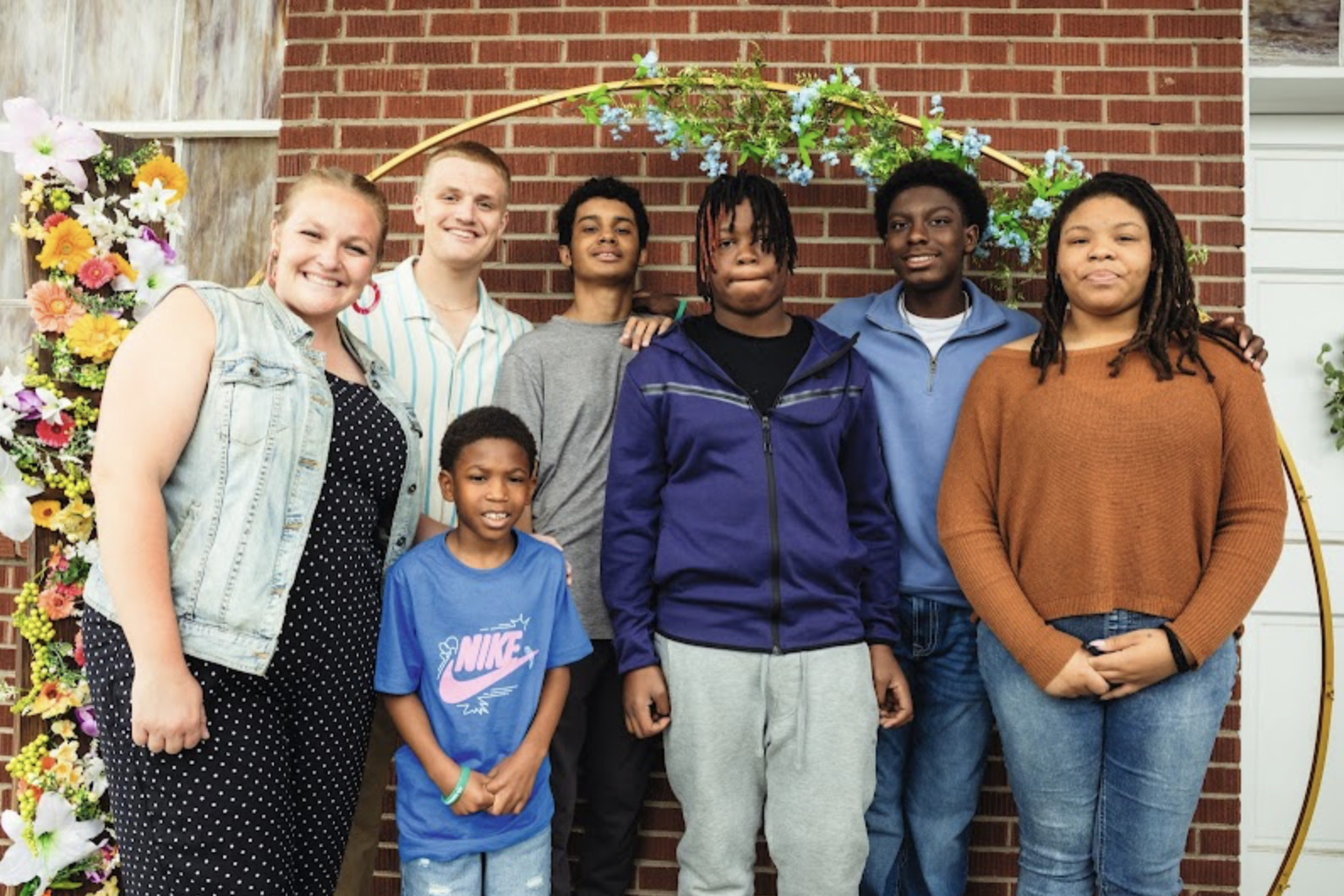
For example, this summer at Griggs, we hosted four weeks of “Camp Griggs,” our summer day camp for kids in Poe Mill. Each week, high-school students from Grace Church came on mission trips to help lead the camps.
Fellowship Greenville also sent two teams into our neighborhood, taking on service projects and even distributing our quarterly community newspaper—Saltbox Quarterly—to people like you!
Within our own church, the spirit of service soars in the summer. Seven Griggs members traveled internationally for mission work this Summer. We also hosted eight church-wide dinners after our Wednesday night services, where eight different men from the church stepped up to preach a mid-week service.
You’d think all this activity would make summer feel even busier, like it flew by even faster. But strangely, the opposite is true. When we redeem the time, it seems to stretch out. Time passes in a full and meaningful way. We're at peace with how the summer came and went.
This is part of the gospel. Because Jesus died and rose again, our sin is forgiven and our lives are eternal. In Christ, there’s one sense in which time is no longer such a scarce commodity. We'll have plenty of it in heaven.
We no longer have to have every experience here, because we will have every experience there. We no longer have to manage time to perfection, because perfection will come in due time. We no longer have to "live it up while we can," because we have forever to live.
This frees us up from the selfishness that steals our time, and invites us to a selflessness that cannot be hurried or filled with regret.
So try it. Treat summer like “Time on.” Time for God, time for others, time for outreach.
Strangely, your summer experience might not feel so strange.
Food and Fellowship
We want to be a family that prays for each other, supports each other, and comes together to worship and serve our Most High God together.
By Noah White for Saltbox Quarterly in 2024
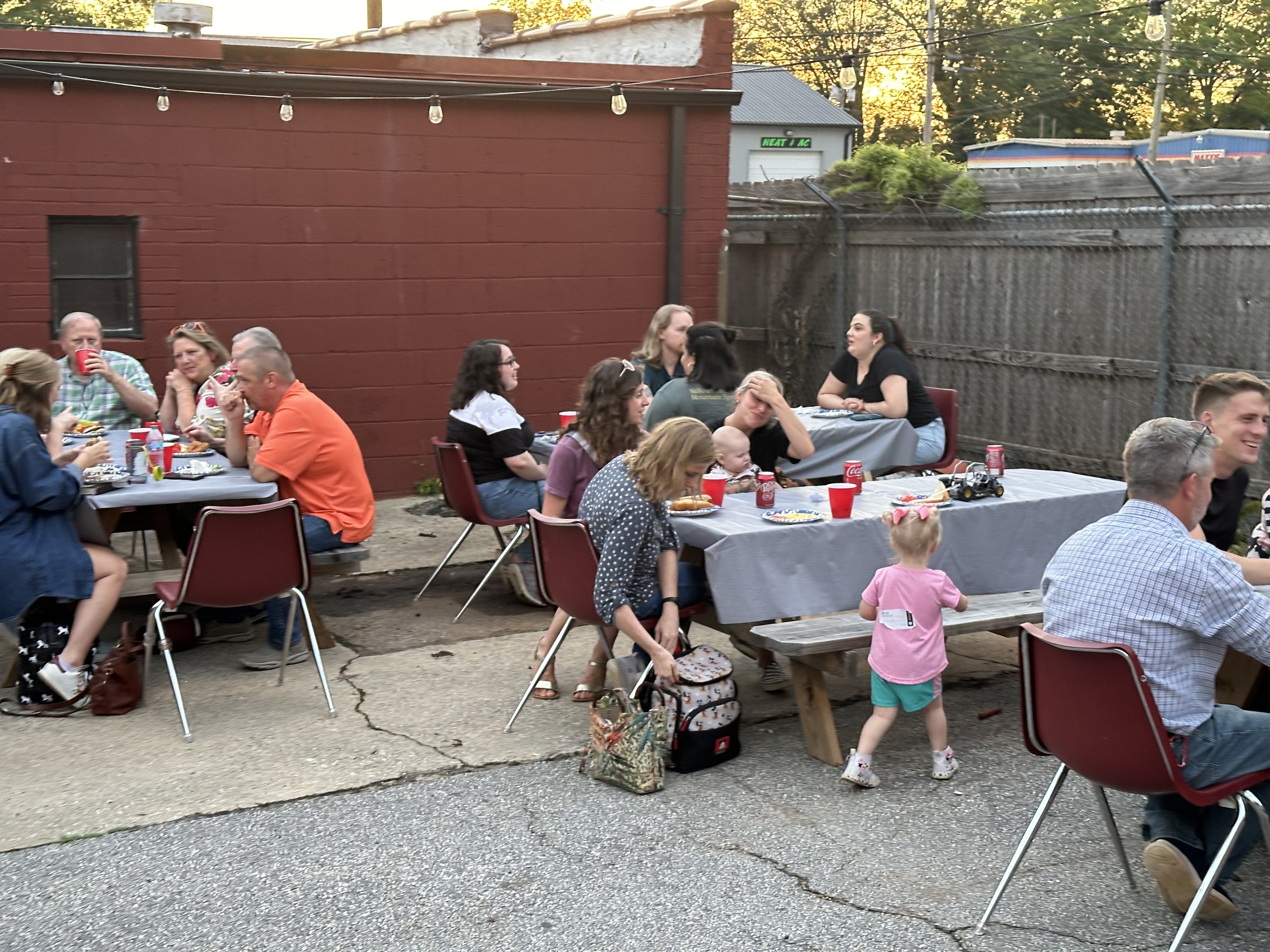
The aromatic smell of hot dogs and burgers wafted from the porch in front of Mr. Roger's house into the parking lot of Griggs and the surrounding Poe Mill neighborhood. Audible chatter and raucous laughter beamed out into the warm June air as brothers and sisters in Christ conversed excitedly with each other over their meals. I joined the line late—almost everyone had passed through already—but that didn't really matter.
I spoke with Isaac about his upcoming work opportunities, our conversation occasionally being interrupted by the fire alarm being triggered from the grill smoke outside. Justin grabbed me from his table right before I got to the end of the line. He excitedly pointed at the mac and cheese on his plate and said with an earnest intensity I have rarely seen in his eyes, "Buddy, you have to get this. This is amazing." So I did, and he was right … it was amazing.
While I enjoyed all the food that was prepared for the congregation that night, that won't be what I remember about that night. So why, then, do we feel the need to have weekly dinners during the summer Wednesday services?
Well, Griggs is special in a way that I believe all churches should be: the members are a true congregation. It didn't matter where I wandered that evening—I had enriching conversations with every single person I spoke to. In all the churches I've attended and visited, I've rarely found one so tight-knit and connected so beautifully as Griggs is. I believe these dinners are a significant part of this connection.
When I spoke to Mitch about his purpose for having these dinners and having them as often as we do, he sent me a verse and some thoughts regarding it. Acts 2:42 says, "And they continued steadfastly in the apostles' doctrine and fellowship, and in breaking of bread, and in prayers." The early church put so much emphasis on fellowship (they did that over food-centric gatherings as well!); this is how they got to know each other and grow closer in their common bond in the Gospel. That common bond holds us closer than any normal friendship. "The Scripture tells us that we're more than just congregants," Mitch said. "In fact, we're like a big family."
Griggs isn't satisfied with just going to church and sitting in pews and singing songs with a bunch of people we've never met. We want to be a family that prays for each other, supports each other, and comes together to worship and serve our Most High God together. As we continue to meet every Wednesday this summer, I look forward to growing closer to and fellowshipping with these amazing people that the Lord has blessed me with.
No Longer Blank
One thing we are not lacking in Poe Mill is murals. Right around Griggs Church, there are several murals thanks to artist Adam Schrimmer, a local legend and lead artist of Blank Canvas Mural Company.
How Adam Shrimmer Painted the Neighborhood
One thing we are not lacking in Poe Mill is murals. Right around Griggs Church, there are several murals thanks to artist Adam Schrimmer, a local legend and lead artist of Blank Canvas Mural Company.
You may not know Adam, but if you’ve driven around Greenville for more than 10 minutes, you’ve probably seen his incredible art. He has several murals that can be seen on (or just off of) Main Street in downtown Greenville.
In Poe Mill, we see his art every day—and have for quite some time. He actually got his start in our little neighborhood.
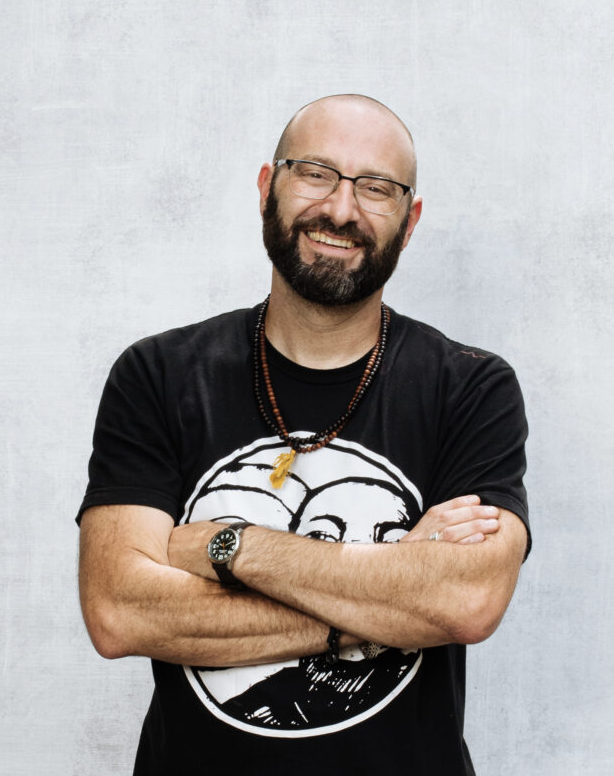
Adam Shrimmer
In 2014, Adam was invited by Kwadjo and Rashida Campbell of the Poe Mill Neighborhood Association to paint a mural near the entrance of the neighborhood. This was a community project and led to the iconic mural on the side of the gas station at the corner of Buncombe and Shaw, which bids us to “Radiate Positive Vibes!”
When we say it was a community project, it’s because many of Adam’s murals are paint-by-number projects that get everyone involved. Painting “by numbers” puts the mural in the community’s hands. Adam prepares the outline of the mural and gives neighborhood residents numbered cups of paint to cover a designated section of the mural with the same number. The result is amazing. Not only do neighbors grow closer together, but an important message is permanently displayed.
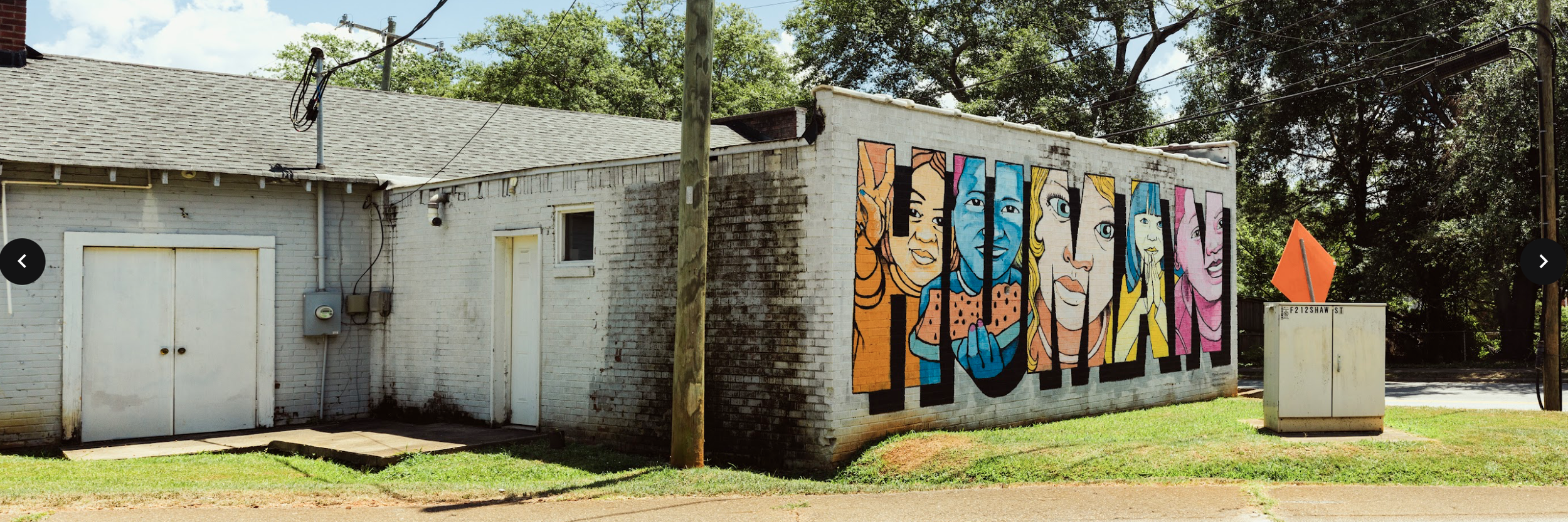
Take, for example, one of his other murals in Poe Mill, the “Human” mural on the side of Soteria’s office. That was another one of Adam’s earlier paint-by-number projects.
It not only gathered the neighborhood around Soteria—an important nonprofit helping men and women re-enter society after being impacted by the criminal justice system—but also, when you drive down Shaw Street now, you see a colorful reminder of how diverse our world is, displayed within the word “Human.”
After completing the mural in Poe Mill, Adam went full-time into a public art career, founding Blank Canvas and bringing communities together around vibrant, life-giving paintings.
“Poe Mill is why I started the company. The experience of meeting the people and working with them, that is where true value lies,” he says.
Since starting in Poe Mill, he’s had an additional impact on the West Side. You can find his work in the West Greenville Village, Sans Souci, Berea, Woodside, and many other neighborhoods we care deeply about.
For now, we want to focus on Poe Mill and offer up a simple challenge to all of our readers.
Below, we give you the location for four of Adam’s Poe Mill projects. They’re all within a two-minute radius of each other (and only a three-minute radius of our church). Seeing all four, and even snapping some selfies with them, won’t take you a half hour.
Drive around, enjoy some fantastic art, and learn more about your community in the process.
All Mural Photos by Isaac Cropsey
Shaw’s Tribute
6 Rutherford Rd, Greenville, SC 29609
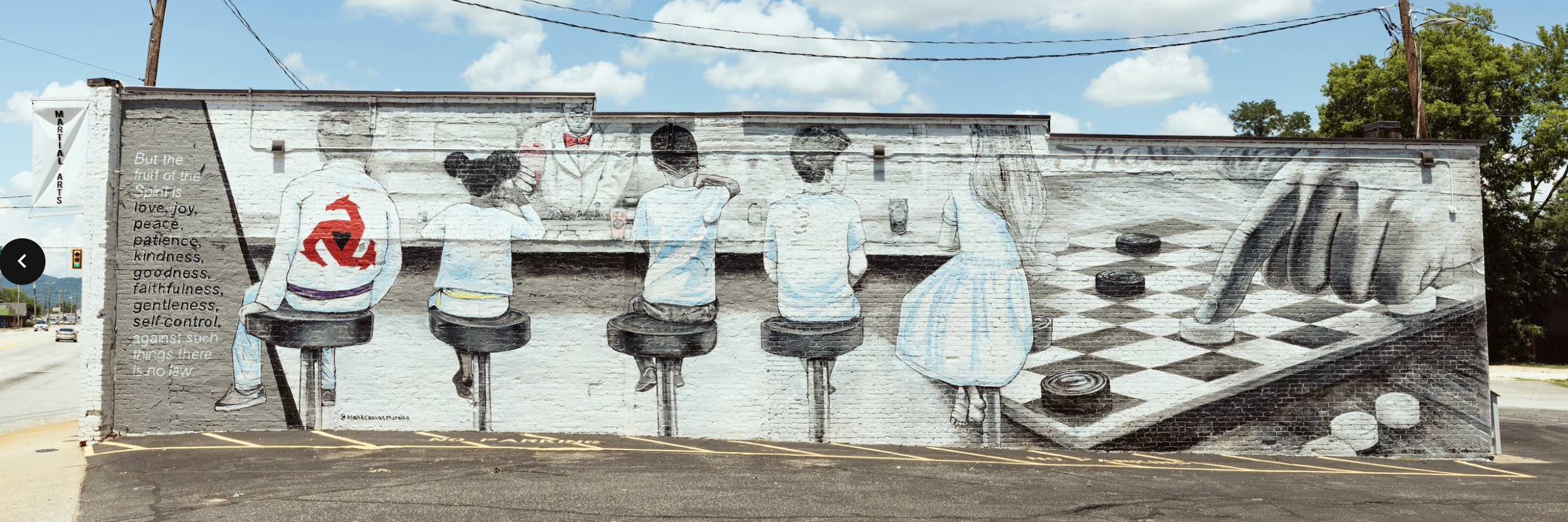
Adam just completed this one last June. This mural pays homage to Shaw’s Pharmacy, which was the original occupant of the building. J. Elvin Shaw was a well-known Greenville pharmacist and a checkers champion! These days, the building is home to Greenville Combatives Academy, so you’ll see one of the kids sitting at the pharmacy counter in his karate gear. Griggs Church especially appreciates the fruits of the Spirit being listed prominently for all driving down Poinsett to see.
Human
210 Shaw St, Greenville, SC 29609
This is the one we mentioned earlier, on the outside of Soteria’s office. This mural celebrates all we, as different people, have in common. The hashtag #WeAllBleedRed can be found in the bottom corner.
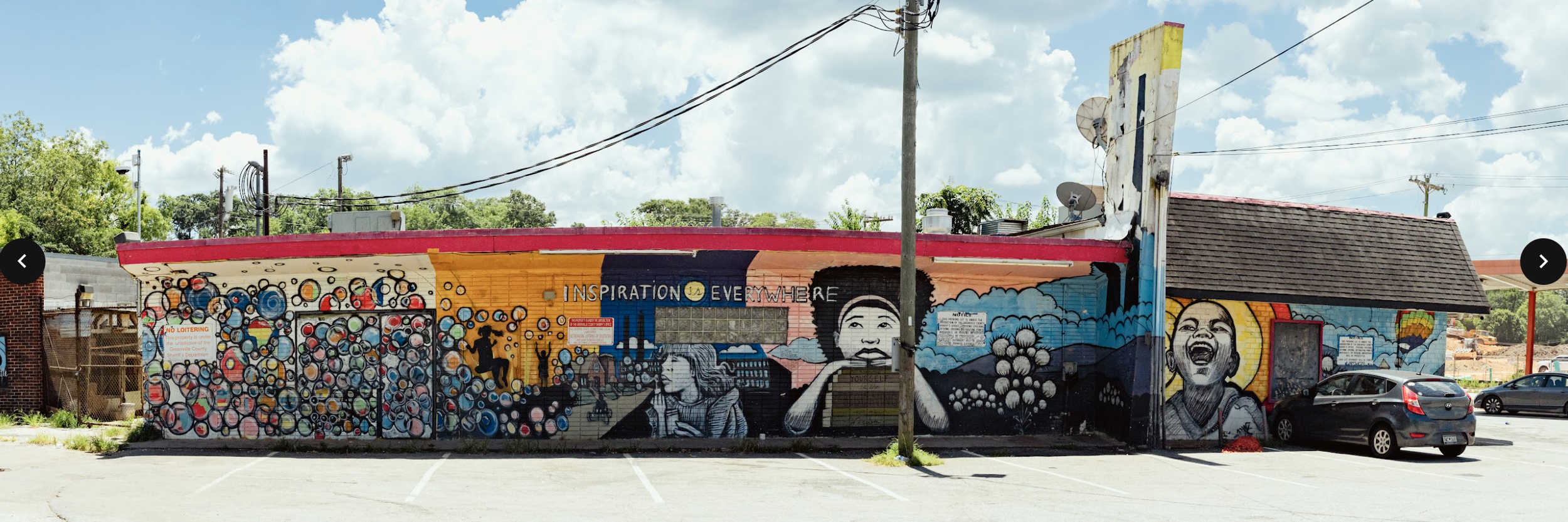
Inspiration Everywhere
1410 Buncombe Rd, Greenville, SC 29609
A true masterpiece. A vivid celebration of Poe Mill and a reminder to stay humble, be gracious, and above all, be kind. You’ll see tributes to the Poe Mill stacks, Rivers of Life Ministries, and kids from the community growing into our next generation of leaders.
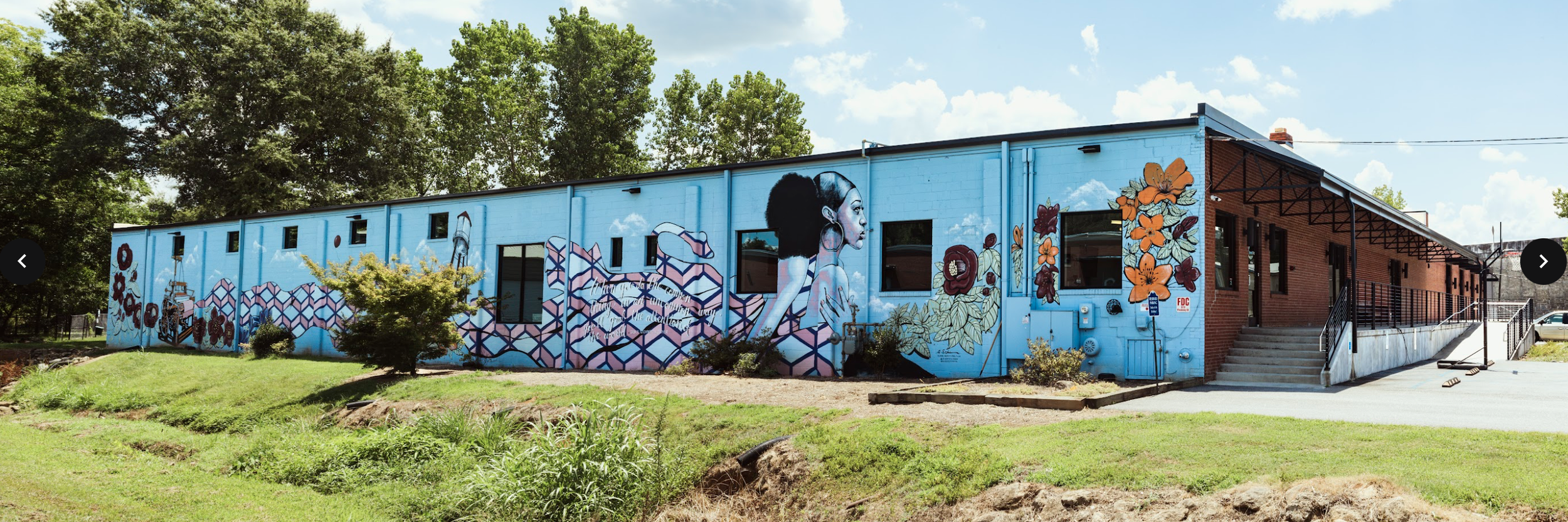
Uncommon
910 Pinckney St, Greenville, SC 29609
This one is on the side of the Investinet building, where Poe Mill Music just opened up. Investinet has been a great example of a community-minded company since its inception. On Instagram (@blankcanvasmuralco), this one is described as “Geometric meets floral, meets human representation.”
We love the George Washington Carver quote in this mural which states, “When you do a common thing in an uncommon way, you will command the attention of the world.”
We feel like that sums up a lot of the good news we see around Poe Mill. We may seem like a common neighborhood, but there is uncommon friendliness and unity—not to mention an uncommon number of murals.
🛹Learn About Shelter Skate Church🛹
This year, our Easter offering is going to Shelter Skate Church. They’re a 501(c)(3) nonprofit ministry based in our neighborhood, whose mission is to be a community within action sports where outsiders are welcomed and fed both physically and spiritually.
This year, our Easter offering is going to Shelter Skate Church. They’re a 501(c)(3) nonprofit ministry based in our neighborhood, whose mission is to be a community within action sports where outsiders are welcomed and fed both physically and spiritually.
Every Sunday afternoon from 3–5 PM, they gather at the Poe Mill DIY Skatepark— a grassroots, community-built skatepark on the historic Poe Mill site — to skate, share a free meal, and hold a Bible study together. Their vision, rooted in Luke 14:23, is to go where skaters already are rather than expecting them to walk through traditional church doors.
Led by Josue and Jen Rodriguez, Shelter Skate Church officially began meeting weekly in 2022 and became a registered nonprofit in 2023. Beyond their regular Sunday gatherings — where they've served upward of 40 meals in a single session while studying books like Galatians — they also host skate jams, cookouts, and park cleanup days in partnership with other local churches.
Everything they do is aimed at discipling within a family culture modeled after Jesus' ministry, especially for those who might feel like outsiders elsewhere.
Alexamenos Graffito
It’s literally graffiti—scratched into a plaster or stone surface in ancient Rome. It’s the earliest known depiction of Jesus on the cross that we’ve found so far, dated somewhere between the 1st and 3rd centuries.
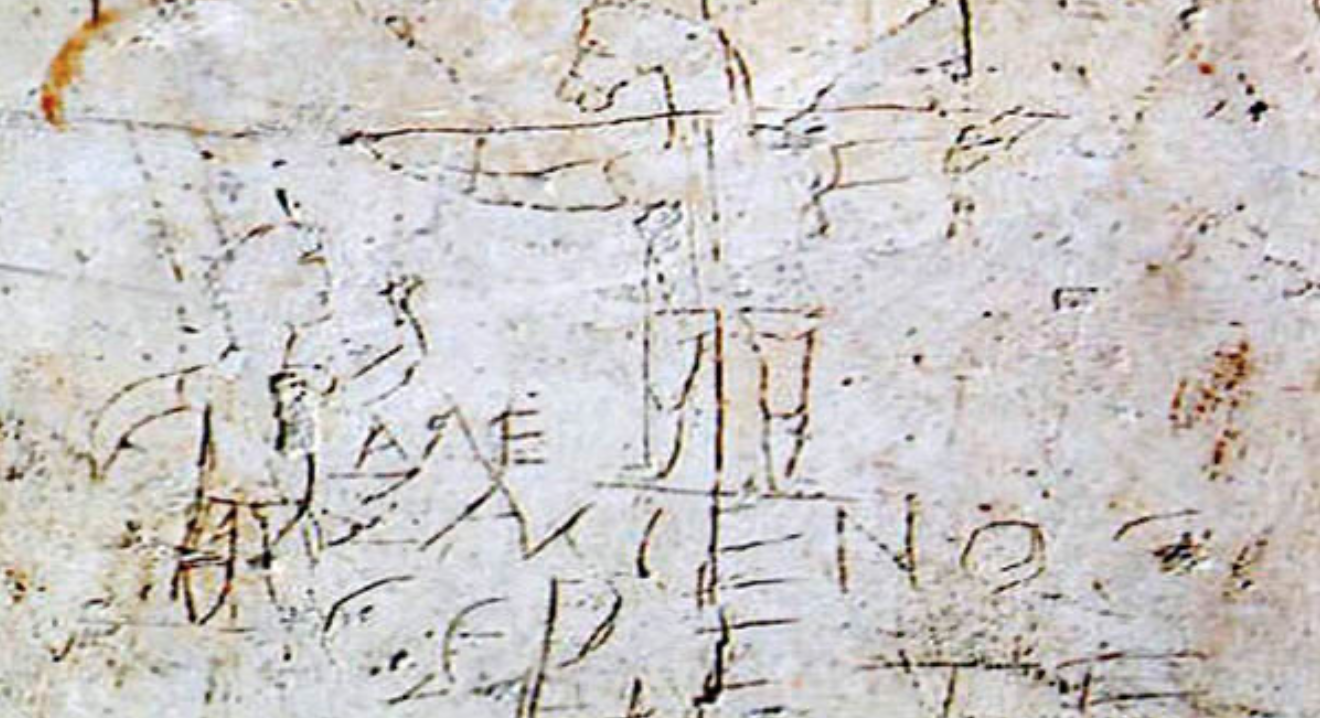
On Wednesdays, we’ve been walking through the big turning points of the Bible’s story, and recently we reached the climax: the cross.
In this series, we’ve been showing artwork that matches the stories we’re studying—paintings of Abraham, Moses, David, and others. For the cross, though, I chose something very different. Not a beautiful painting, but a crude scratch in stone. I chose it because it reminds us of something we easily forget.
It’s a fragment of history called the Alexamenos Graffito.
It’s literally graffiti—scratched into a plaster or stone surface in ancient Rome. It’s the earliest known depiction of Jesus on the cross that we’ve found so far, dated somewhere between the 1st and 3rd centuries. It was discovered in the remains of the Roman palace complex. Some scholars think it comes from a part of the complex that functioned almost like a boarding school, where boys were trained to serve in the imperial household. If that’s right, this image was probably carved by a boy or young man, and it was aimed at another boy or young man.
And it’s hard to look at.
On the one hand, it’s historical evidence that the earliest Christians really did worship Jesus as their crucified King. It acknowledges that there were people like Alexamenos who lifted their hands in worship to a crucified Christ. But at the very same time, it’s a piece of ridicule, mockery, and blasphemy.
The “artist” drew a man on a cross—but with the head of a donkey. Next to the cross stands another figure, hand raised, as if in worship or prayer. Underneath is an inscription: “Alexamenos worships his god.” It’s meant to sneer at Alexamenos and his Jesus: “Look at this fool, worshiping a crucified god.”
Think about that. The first surviving “art” we have of Jesus on the cross is not a reverent icon or a stained glass window. It’s a cartoon. A joke. A taunt on a wall.
Why? Because while worshiping a crucified God is our joy, our gladness, & our everything, that idea sounded utterly strange to people in the first century.
Rome believed in many gods, not one. Their gods were proud and distant, not humble and near. Romans imagined themselves dying for their gods in battle or sacrifice—not a God who would die for them. They honored their gods because of their power, not because of their love. In their minds, it didn’t really matter whether the gods loved you; what mattered was whether they protected you when you did the right rituals and paid the right honors.
They thought of gods as far above and far away—not as Someone you would know personally, much less have personal relationship with.
So as Christianity spread and the good news centered on this message—“Jesus died for our sins”—many people laughed. They scorned it then, just as many still do now. And yet, at the very same time, there were many then—and there are many now—who hear that same message and cherish it. The same cross that provokes mockery in some hearts awakens worship in others.
Where are you?
When we read the accounts of the crucifixion, some people see only a story of demise—a criminal being discarded, another failed Messiah crushed by Rome. But to us, by God’s grace, it’s a story of shocking mercy: criminals like us being loved, forgiven, and welcomed. Some look at the cross and see weakness, powerlessness, defeat. We read about the cross and see the power of God.
The apostle Paul put it this way in 1 Corinthians 1:18:
“For the message of the cross is foolishness to those who are perishing, but to us who are being saved it is the power of God.” To one set of eyes, foolishness. To another, power. Same cross, different hearts.
I share all this because there’s a subtle temptation for us. We have lived with the cross for so long—on necklaces, in church logos, on the walls of our homes—that we can start to see it as obvious, as normal, as expected. We can get used to it. When that happens, we need to repent.
Because for many people, it is not obvious. It is not normal. They do not yet understand it. And if we’re honest, we often forget how astonishing it really is.
Let’s remember how amazing the cross is. How countercultural. How unique. How scandalous. Let’s refuse to get used to it. Our God is not just one more deity among many. He is set apart—holy, utterly other. No one else is like Him.
And that’s why, in a strange way, the Alexamenos graffito still preaches to us. Alexamenos, hand raised toward his crucified Lord, has it right. His God IS worthy of worship.
Whoever carved this early depiction of Jesus got it all wrong. This is not what ridiculous looks like. This is what redemption looks like.
5 Questions for When You’re Feeling Anxious
We thought these were good and wanted to share…
We thought these were good and wanted to share…
What happened?
What am I feeling?
What story am I telling myself?
But what does the gospel say?
What’s the counter-intuitive act required of me in this moment?
Example: You share something personal in Griggs Group…
What happened? I got honest
What am I feeling? Vulnerable
What story am I telling myself? Now everyone thinks I’m crazy
But what does the gospel say? I am fully known and fully loved by God through Jesus
What’s the counter-intuitive act required of me in this moment? Pray that your honesty in group helped or helps someone and thank the Lord for a chance to share even though it was uncomfortable.
Based on a post from Pastor Rich Vollidas
Read the Didache
It contains lines that strongly echo the mission and vision we want to implement at Griggs. Like “Rather, be meek, since the meek shall inherit the earth… You shall not exalt yourself… Your soul shall not be joined with lofty ones, but with the lowly.”
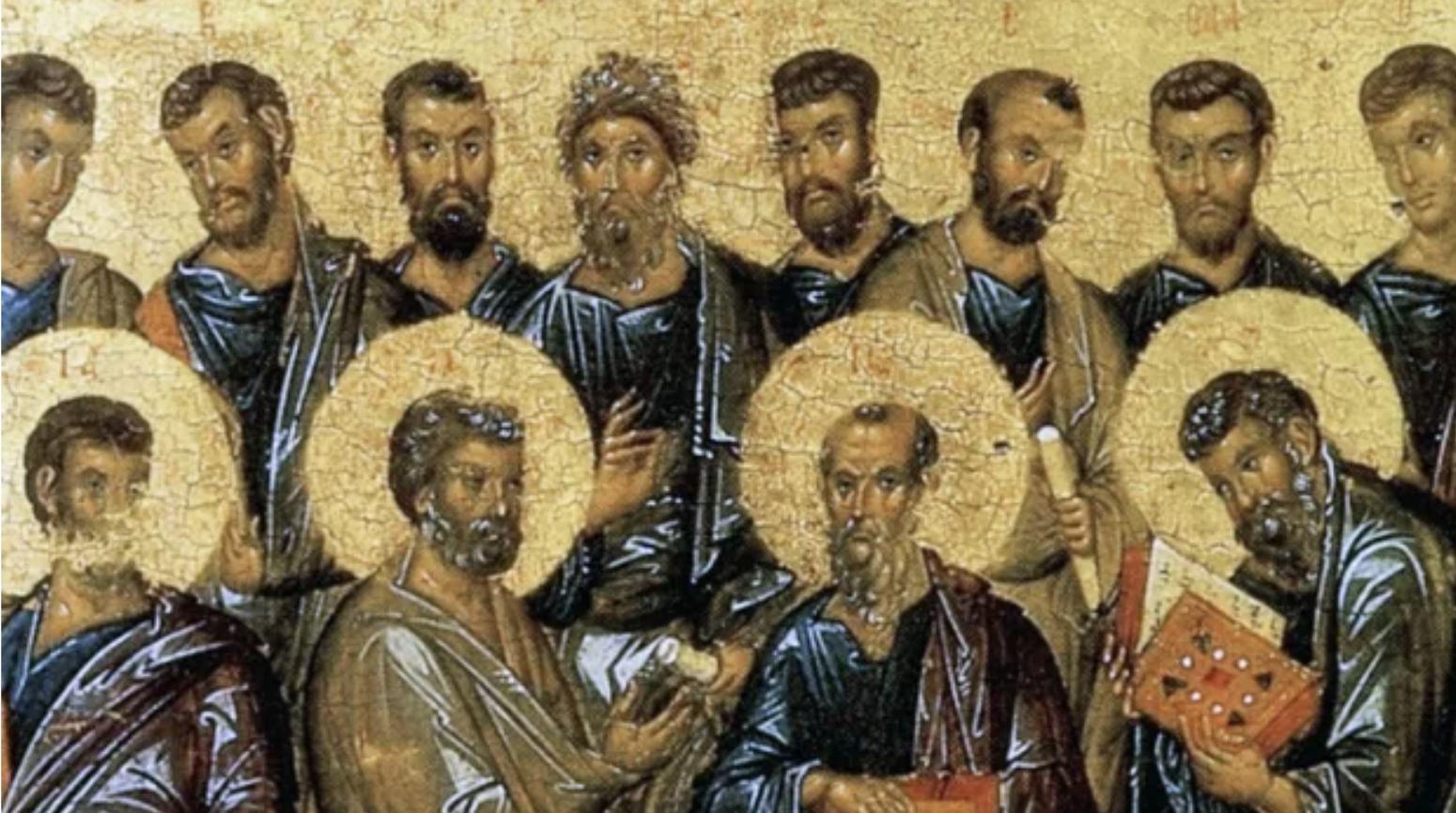
Have you ever read the Didache (pronounced “DIH-duh-kay”)? The word simply means “teaching,” and this short, early Christian document—often dated around the end of the first century and commonly associated with communities shaped by the apostles’ disciples—offers a fascinating window into what some of the earliest Christians emphasized as they sought to live out and teach the faith.
To be clear: the Didache isn’t inspired or authoritative, but it can still help us see how some early believers understood certain Christian practice and applied biblical instruction in real church life. It’s also very readable and doesn’t take long to get through.
It contains lines that strongly echo the mission and vision we want to implement at Griggs. Like “Rather, be meek, since the meek shall inherit the earth… You shall not exalt yourself… Your soul shall not be joined with lofty ones, but with the lowly.”
There’s many places to find the Didache for free like this website here.
Bible Study Resources
Grow with Griggs Retreat 2026
Growing in our understanding of Scripture is one of the most important parts of our walk with God. The Bible is rich, deep, and life-giving—but it can also feel overwhelming without the right tools. Thankfully, there are many trustworthy resources available today that help make studying God’s Word more accessible, meaningful, and engaging.
Below you’ll find a collection of tried and true Bible study resources designed to encourage biblical literacy and deepen personal study. Whether you’re new to reading Scripture or looking to go deeper, these tools can help you better understand the whole story of the Bible and apply its truth to your own life.
Study Methods
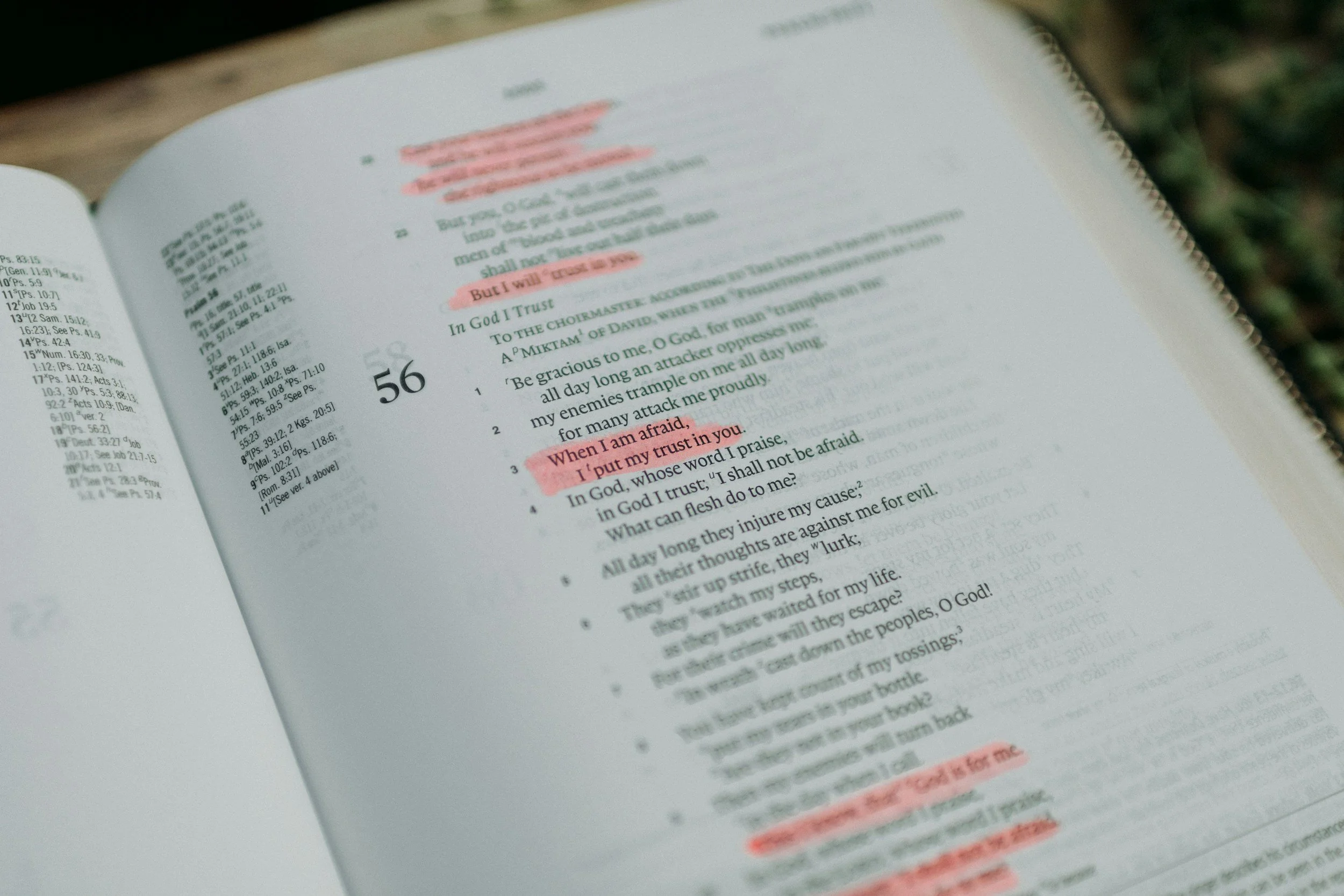
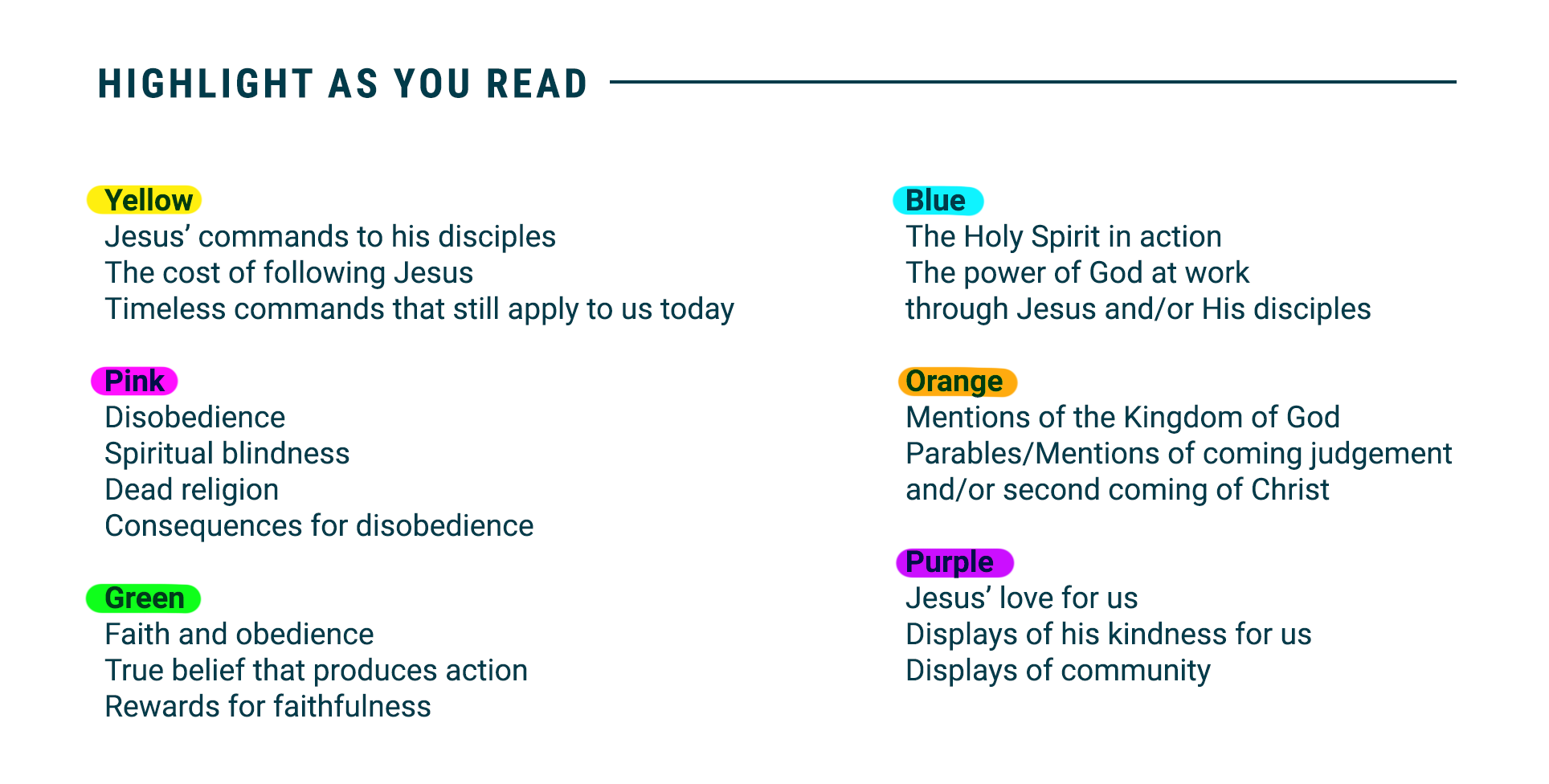
The Inductive Highlighter Method
This method is especially helpful in recognizing themes or patterns in the scripture you’re reading. For example, by utilizing the different color categories, it’s easy to see Christ’s commands at a quick glance.
This method works very well in the Gospels but has been adapted to use for the whole Bible.
The Inductive Marking Method
Similarly to the highlighter method, this form of study focuses on recognizing recurring themes and patterns in scripture but with an even more focused view. By using predetermined symbols, colors, and shapes, this method is highly customizable for what makes sense to you.
Precept has done an excellent job in providing detailed tools and guidance for using this method.
7 arrows
Developed by local pastors in Greenville, Donny Mathis and Matt Rogers, the 7 arrows method has proven to be an effective tool in Bible study. Asking these 7 simple questions while reading can broaden your understanding of authorship, audience, context, and application.
What does this passage say?
What did this passage mean to the original audience?
What does this passage tell us about God?
What does this passage tell us about man?
What does this passage demand of me?
How does this passage change the way I relate to others?
How does this passage prompt me to pray?
Study Content
The Bible Project
The Bible Project is an animation studio that uses short form videos to share easily digestible content about the Bible. All of their content is free and can be found on Youtube or in your favorite podcast app.
They offer animated book overviews, a series on “How to Read Your Bible,” and series on tracing themes throughout scripture.
Blue Letter Bible
The Blue Letter Bible is an invaluable resource for those who are looking to take their study a step further. They offer comprehensive original language resources, commentaries, devotionals, and reading plans.
Greek and Hebrew, the Bible’s original languages, were far more complex than modern English. Sometimes intricate meaning gets lost in translation if we’re missing even a small piece of context. Looking up the original Greek or Hebrew on BLB is a great way to make sure you’re understanding the scripture as intended.
Got Questions
Got Questions is a website that offers biblically based answers to spiritual questions. They have a team of people dedicated to answer commonly asked questions about God, the Bible, and the Christian life with a sound theological framework and scripture to support the answer. Have a question? Take a look:
Reading Plans
The Bible Recap
The Bible Recap is a chronological Bible reading plan with built in summaries. Read 3 chapters of scripture a day and then watch a short 5-10 minute video that recaps what you just read. The creator and host, Tara-Leigh Cobble, has also created this model in a book format. The Bible Recap is offered for free in the YouVersion Bible app, and on Spotify, Apple Podcasts, and Youtube.
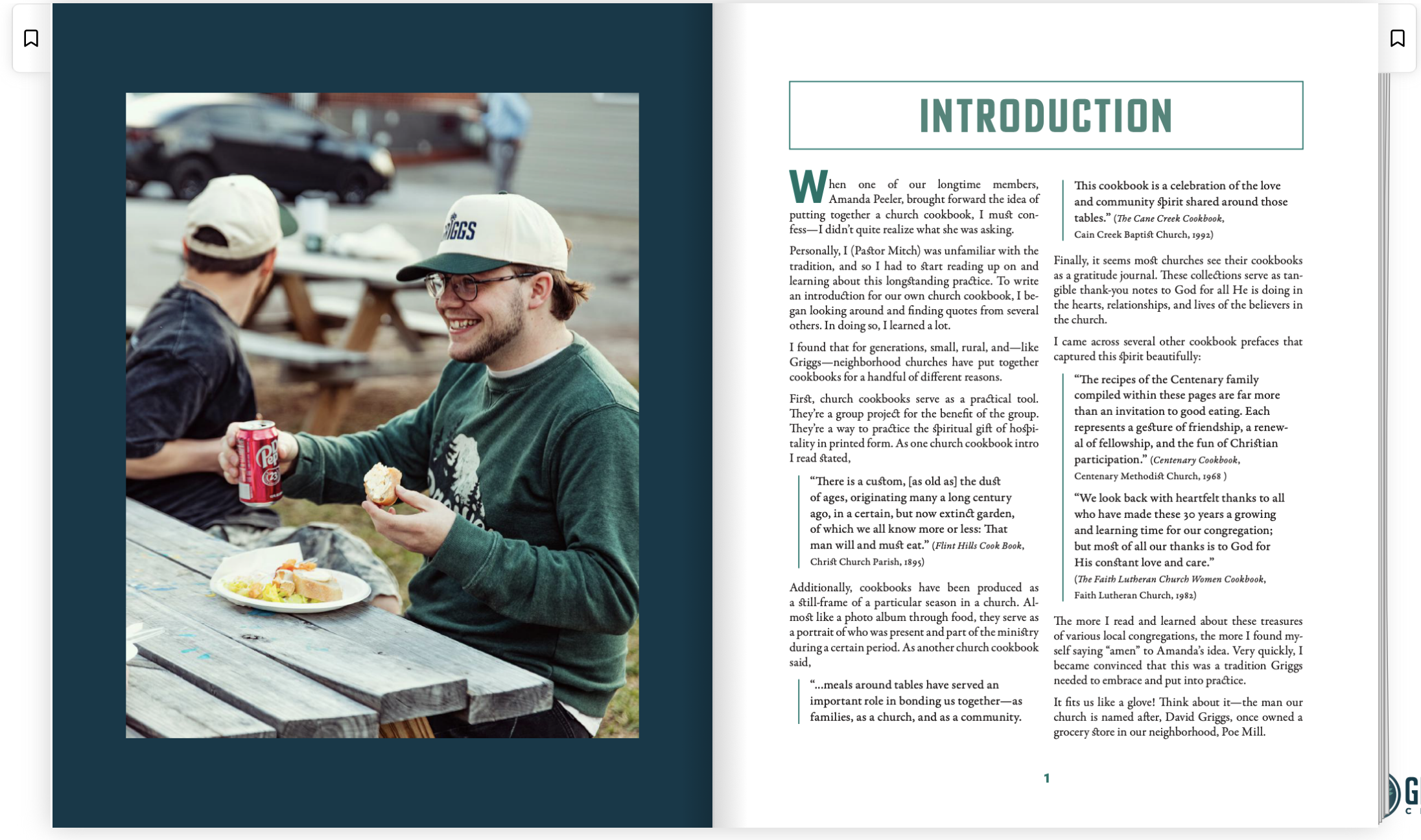
Griggs Church (Digital) Cookbook
Though we are limited in how many copies we can produce due to cost, anyone and everyone can now flip through the Griggs Church Cookbook any time, any where because it’s online in bookform.
For our 10 year celebration of church revitalization, we put together a church cookbook filled with recipes, articles, and a whole lot of church history.
We’re thankful to everyone who contributed and served on this project. It ended up being even cooler than we expected and we’ve heard many people have been asking for extra copies of the cookbook.
Though we are limited in how many copies we can produce due to cost, anyone and everyone can now flip through the Griggs Church Cookbook any time, any where because it’s online in bookform.
You can find the Digital Griggs Church Cook book here:
Or, if you’d prefer to download a PDF of the Cookbook you can do that as well:
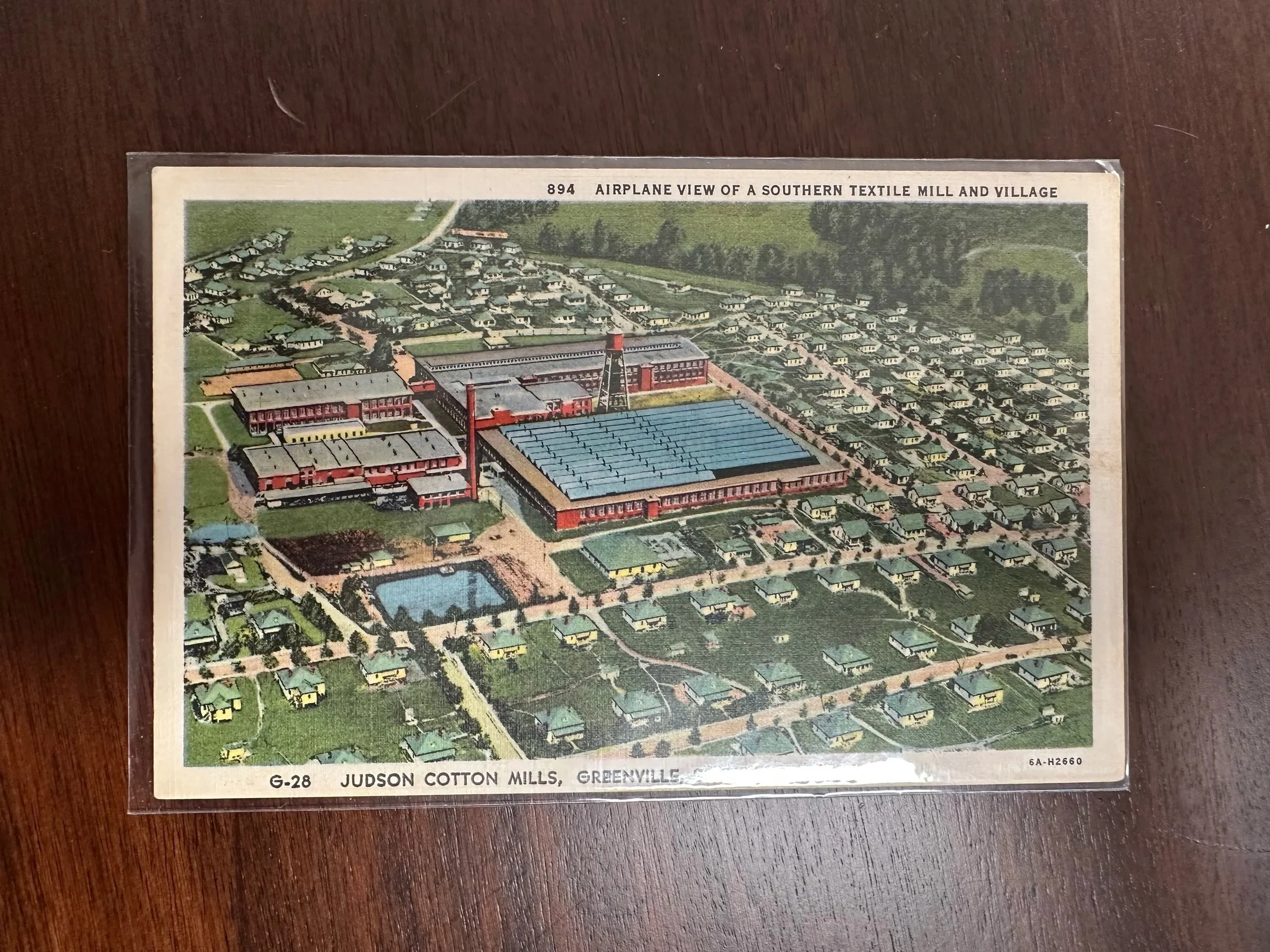
Vintage Mill Village Postcards
Check out these authentic, vintage postcards from the west side of Greenville, SC.
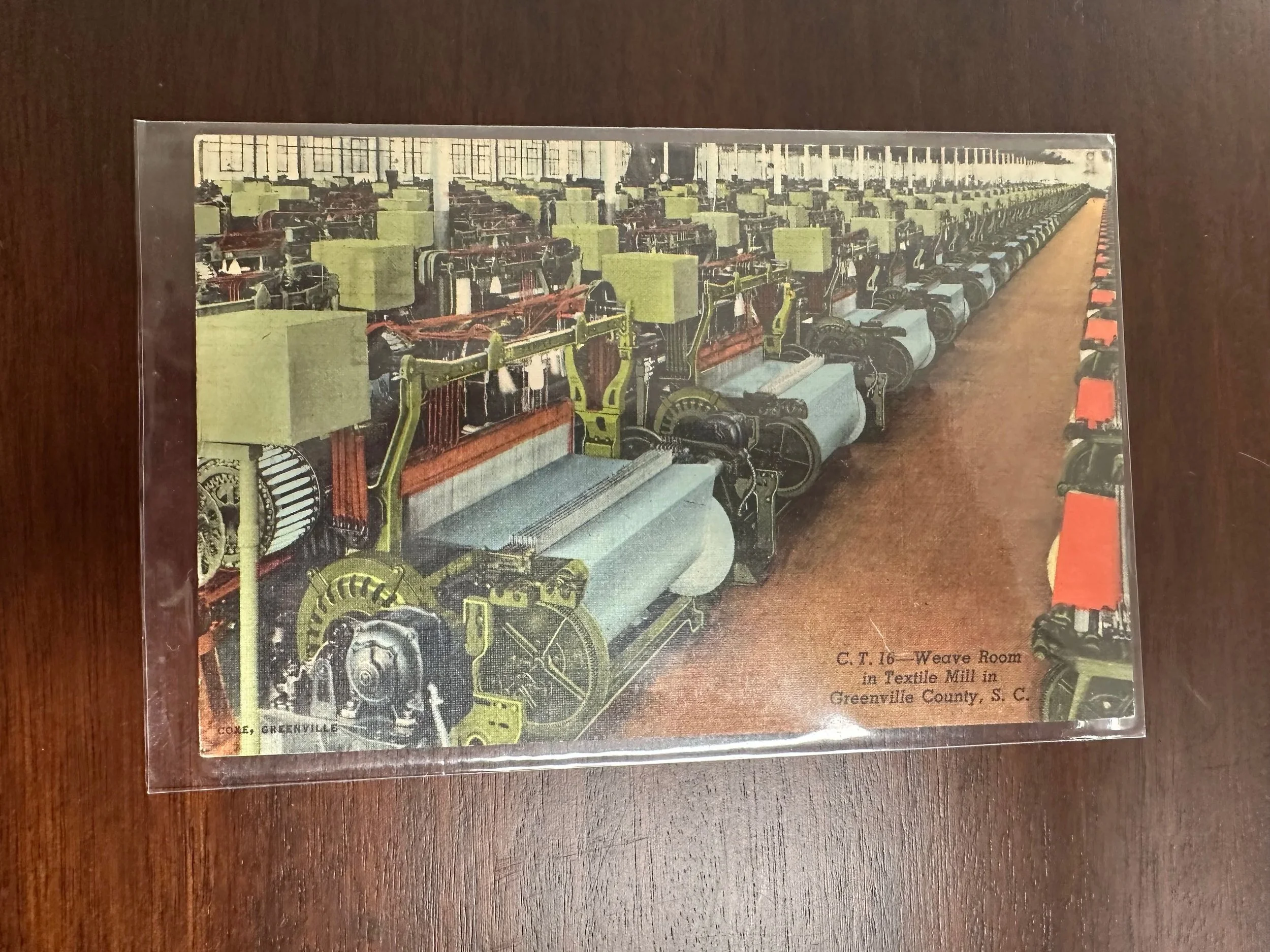
Check out these authentic, vintage postcards from the west side of Greenville, SC.
Each mill produced postcards to send back to friends and loved ones you moved away from when you came down south for mill life. They were particularly popular between the 1920s-1950s and often highlighted the vastness of the mills, showing the inside of the weave rooms or the outside, sprawling villages. You can still find them in digital archives, collectibles websites, and ebay. Do you think we should bring these back?
Finding Fhinny’s
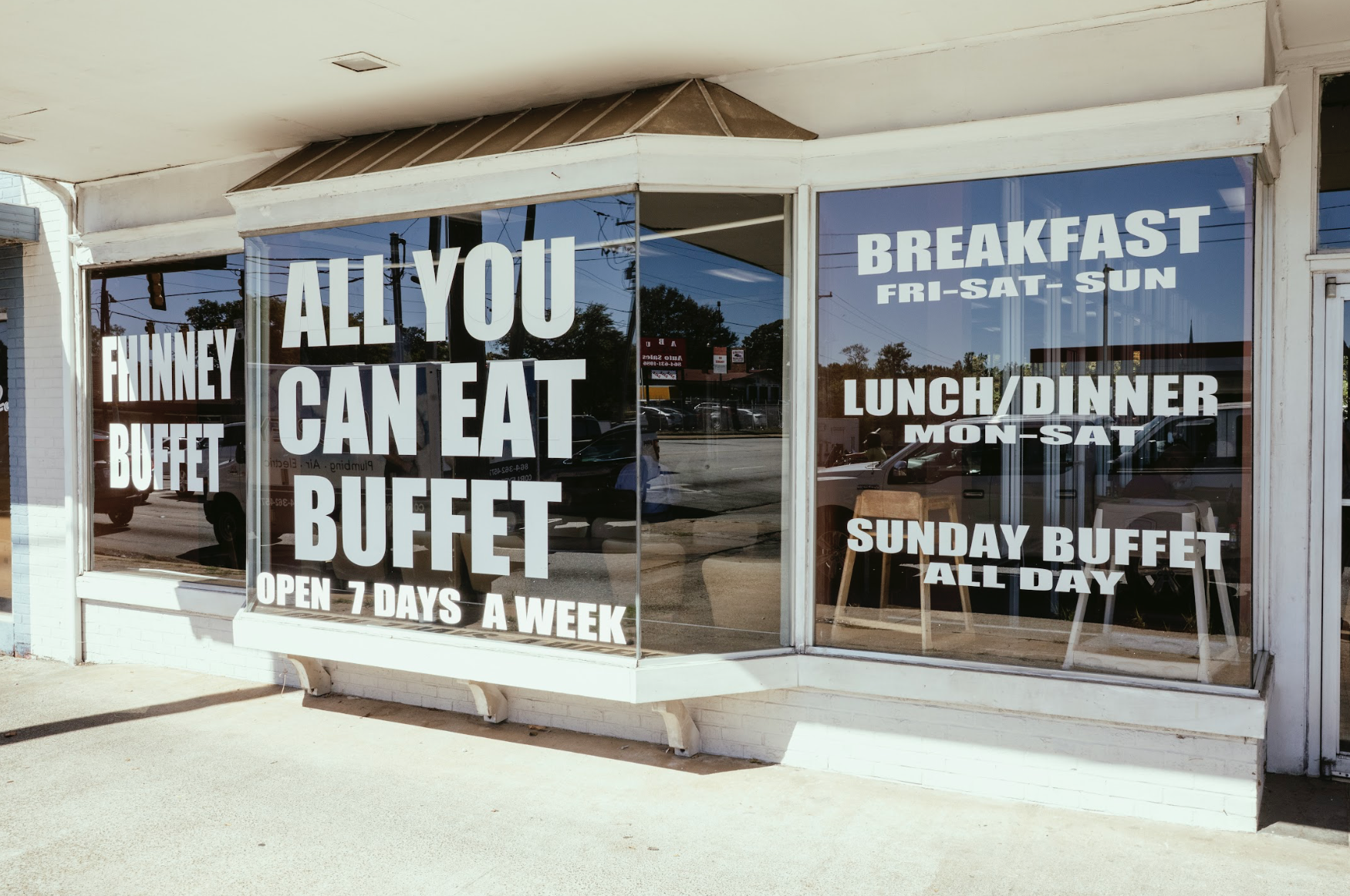
On Easley Bridge Road there is a hidden gem called Fhinney’s Buffet. Owned by Raymond Atkins, this community-minded restaurant is satisfying hunger seven days a week for breakfast, lunch, and dinner.
All photos by IsaacCropsey.com
Charmingly old school, authentic through and through
On Easley Bridge Road there is a hidden gem called Fhinney’s Buffet. Owned by Raymond Atkins, this community-minded restaurant is satisfying hunger seven days a week for breakfast, lunch, and dinner.
Fhinney’s is a place that feels like home, and all the cooking there tastes like it’s from home. When you walk in from the back door, you’re instantly greeted by the smell of comfort food.
You don’t have to pay yet, you don’t have to start by finding your seat — your sole job is what you came for: to grab a plate and go through the line. Before going through the line, everyone has to sanitize their hands and put on gloves. The place is always focused on health and cleanliness. Then you can find a seat and pay as you leave.
The buffet starts with a salad bar, moves on to soul food staples, and finishes off with a couple of options for dessert. When the Saltbox team went by the other day, for the second time (we made excuses to keep going back for “research purposes” for this article), there was some sort of Oreo pudding dessert. We each had two of those.
Besides the everyday offerings of fried chicken, greens, mashed potatoes, mac & cheese, and sweet tea, they also run a lot of daily specials, which they keep their customers meticulously up to date on via social media.
“It’s shrimp and fish Friday at Fhinney’s,” one post says. “We have chops on the buffet today,” says a reel from last week.
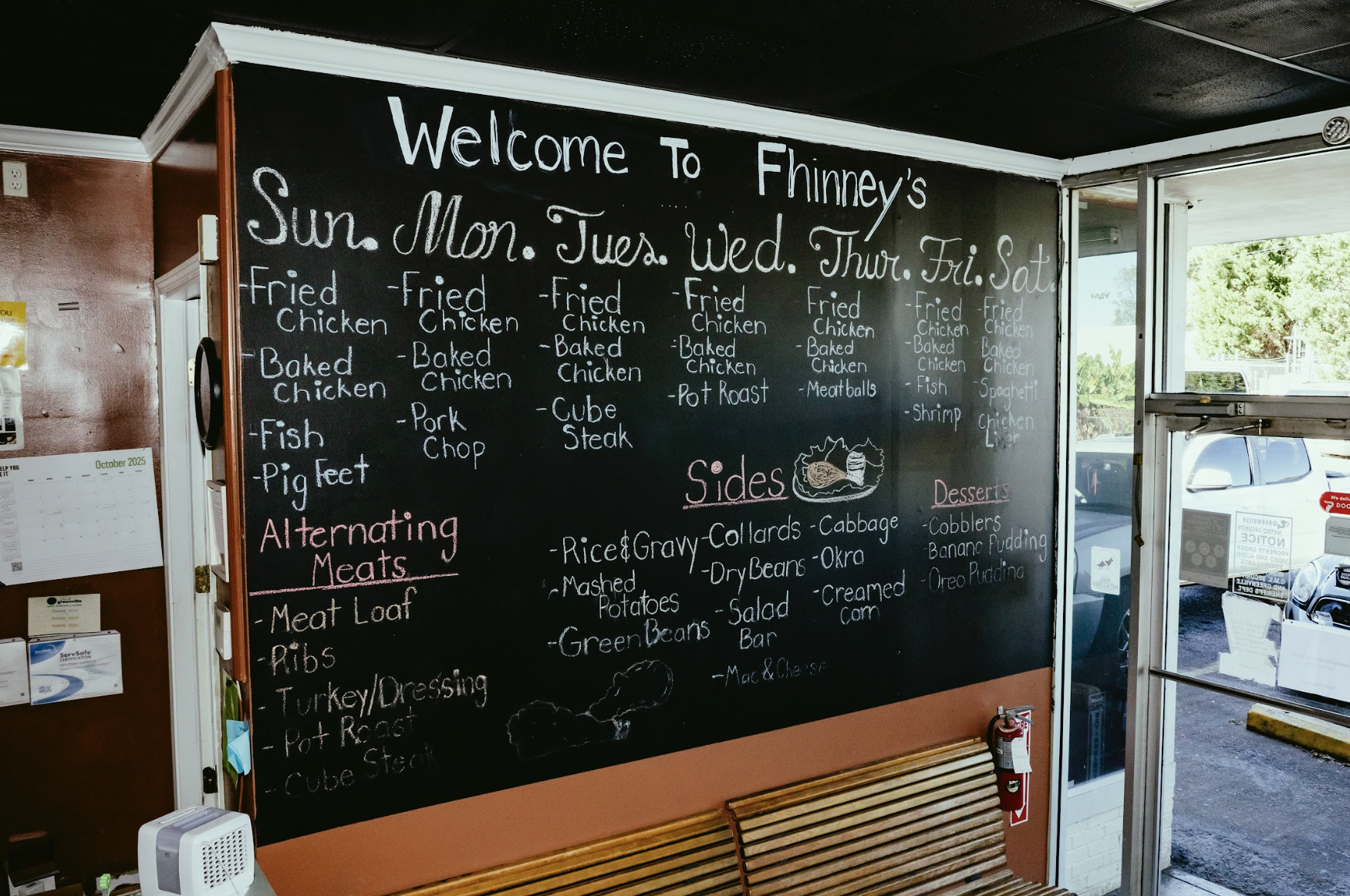
The giant chalkboard menu at Fhinny’s.
Additionally, Fhinney’s is known for being authentically Southern. You can get fried okra, chicken liver, and, on Mondays, pig feet.
Fhinney’s is the type of place where you get to know both the other people who frequent the joint and the wait staff. We talked a good bit with the staff, and all of them were super friendly and loved working there. We also talked a good bit with Raymond’s daughter, who was doing a great job running things and, we found out, had made that Oreo dessert we loved so much. Our compliments to the chef.
Another big reason to love Fhinney’s is their love for their neighborhood. Situated on the edge of Welcome (A neighborhood on the West Side of Greenville), they’re located on a homeless corridor. When they close up shop at 6 p.m., they offer the leftovers in to-go boxes to the unhoused community. In fact, if you drive by at about 6:30 p.m., you’ll see a line of people in need out the front door, glad Fhinney’s is there—and that Fhinney’s cares.
Like we said, Fhinney’s is a hidden gem, and it will always have that feel. But we at Saltbox hope to make it a little less hidden.
Fhinney’s is located at 1712 Easley Bridge Road, Greenville, SC 29611, and is open seven days a week. They serve breakfast on Friday, Saturday, and Sunday. Every other day they’re open for lunch and dinner. You can order online or book them for catering at Fhinney.com.

A Fhinny’s staff member in the middle of a shift.